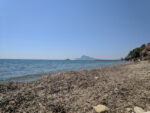
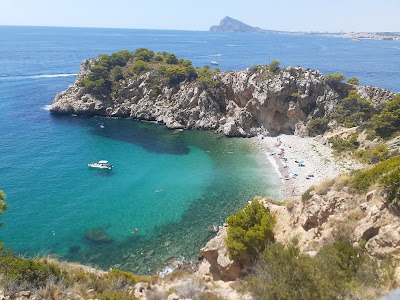
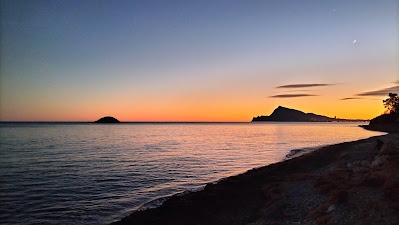
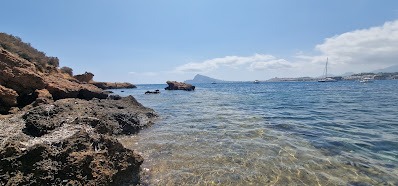
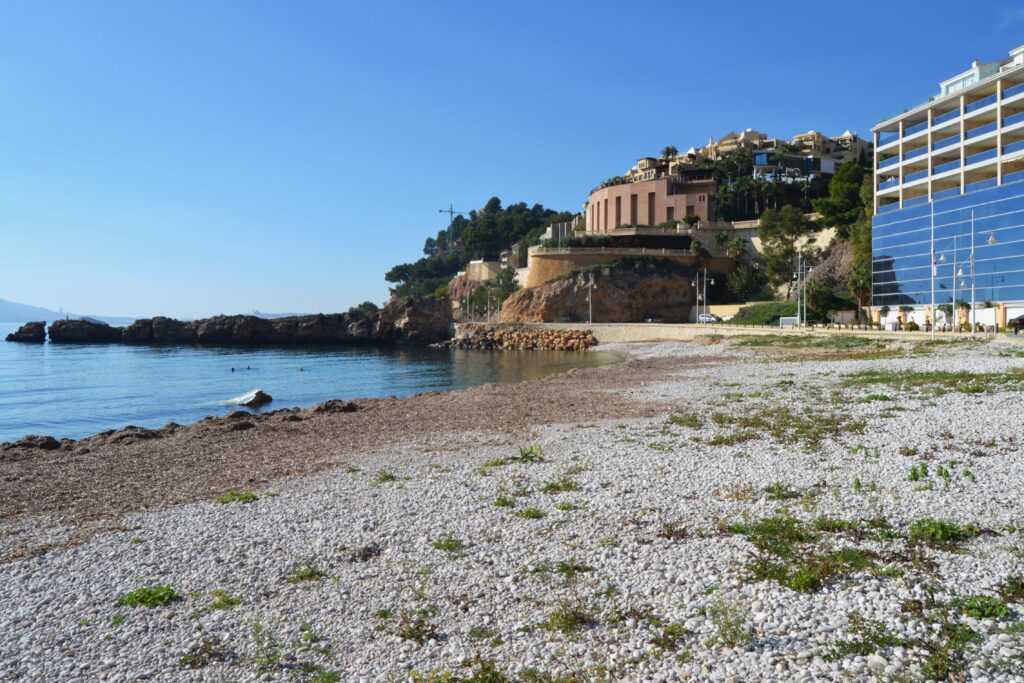
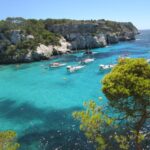
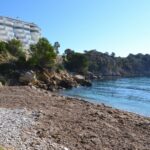
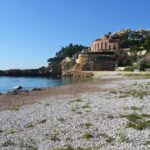
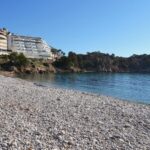
Solsida Beach is a peaceful, nudist and pet-friendly cove hidden along the Altea coastline.
Surrounded by cliffs and untouched by tourism, it offers a quiet escape into nature — where clothing is optional, dogs are welcome, and calm is guaranteed.
I created Welcome to Alicante in 2019 to help travelers explore the province with real local insight and practical tips.
Thanks for reading and Welcome to Alicante!
Show this post to your friends!
Solsida Beach || Full Guide
This guide to Solsida Beach covers everything you need — how to get there, what to expect, and why it’s worth it.
If you’re after nature, freedom, and no crowds, you’re in the right place.
In this article:
Where is Solsida Beach?
Cala Solsida is located just north of Altea, on Spain’s Costa Blanca.
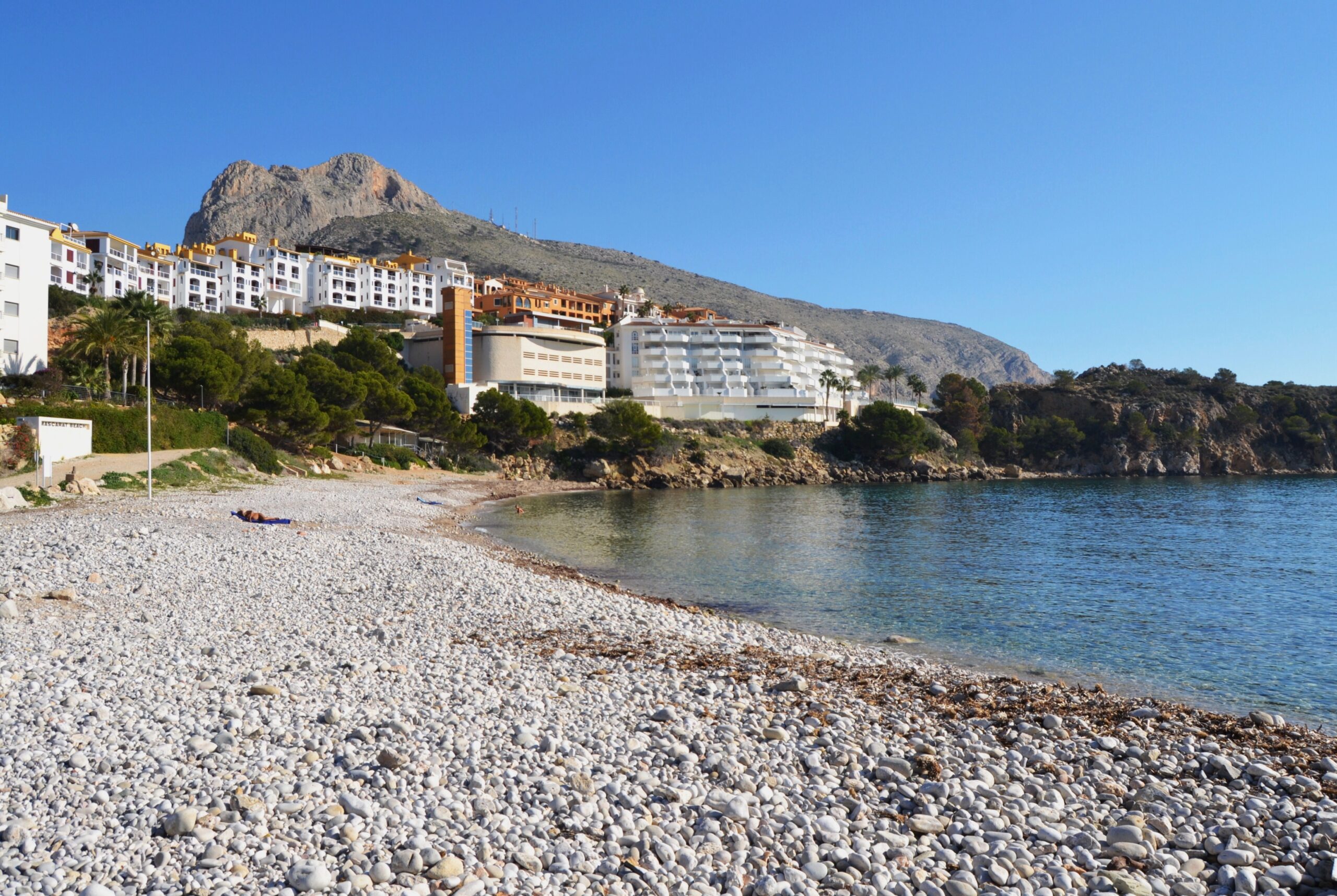
Hidden between the cliffs near the Porto Senso marina, it’s part of the Galera del Mar area — a quiet residential zone about 10–15 minutes by car from Altea’s town center.
The beach isn’t visible from the road and can’t be reached by car directly; you’ll need to park nearby and walk down a short, rocky path.
The easiest way to find it is by navigating to “Calle Tórtola” or “Urbanización Isla de Altea” on Google Maps, then following the coastal trail signs until you reach the sea
Parking and Accessibility
There’s no direct vehicle access to Solsida Beach, but parking is usually easy in the nearby residential streets, especially around Calle Tórtola or the Isla de Altea complex.
From there, it’s a 5–10 minute walk down a rocky path with some steps and wooden walkways.
The trail isn’t difficult, but it’s not suitable for wheelchairs or strollers.
Wear good shoes, pack light, and be ready for a short but scenic descent to one of Altea’s most peaceful beaches.
Facilities and Services
La Solsida Beach (Altea) is a fully natural, undeveloped cove — which means there are no facilities. You won’t find toilets, showers, beach bars, sunbeds, or lifeguards here. It’s a bring-everything-you-need kind of place.
“
Lovely naturist beach, nice and quiet, but take water shoes with you when you go into the sea”
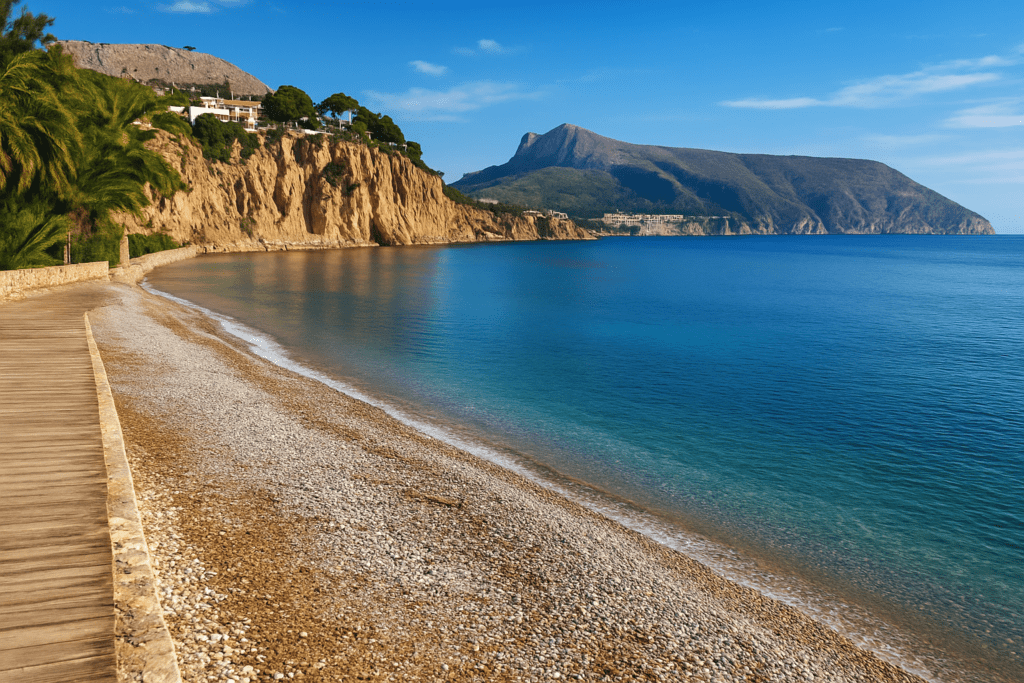
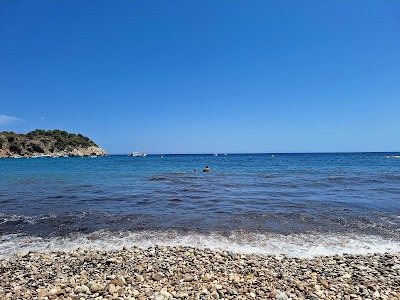
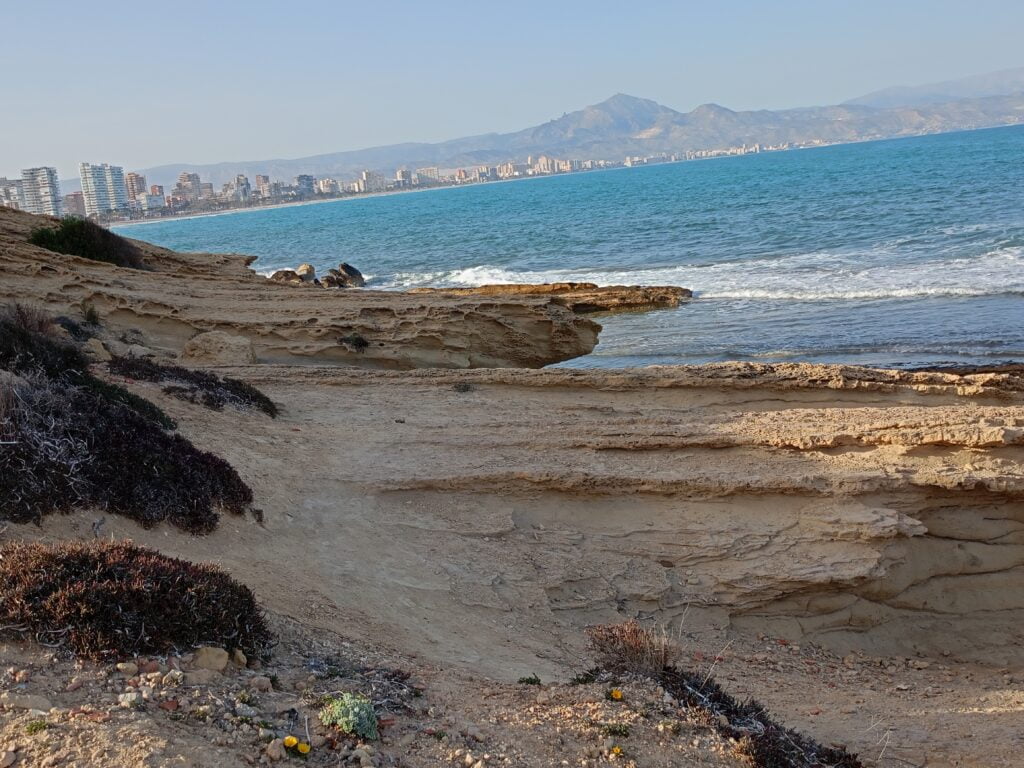
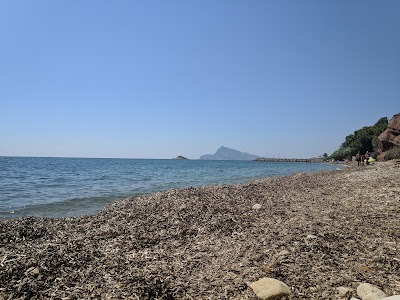
Solsida Beach is made up of smooth pebbles and large rounded stones, not fine sand. The shore is firm and slightly uneven, so bringing a beach mat or chair is recommended for comfort.
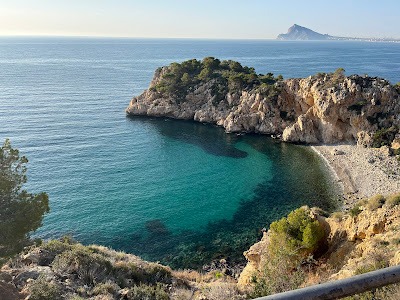
The water is crystal-clear, with a turquoise hue that contrasts beautifully with the rocky seabed and the green cliffs behind. Thanks to the absence of sand, the sea stays clean and transparent, ideal for snorkeling.
The water is usually calm and shallow near the shore, with temperatures ranging from 20°C in spring to 26°C in summer — refreshing but comfortable for long swims.
Google Ad
Quick Overview
Type of beach
Natural, nudist, non-urban
Water type
Crystal clear, gentle waves
Sand type
White stones / pebbles
Parking
Limited, access via footpath
Facilities
No showers or lifeguards
Dog friendly?
Yes, but no dedicated services
Recommended for
Naturists, couples, peaceful travelers
Best time to visit
June to September
What to Do at Solsida Beach
Solsida is all about slow, simple pleasures.
Swim in calm, clear waters. Sunbathe — with or without a swimsuit — on smooth pebbles. Bring your snorkel and explore the rocky seabed, home to small fish, sea stars, and underwater plants. It’s also a great place to read, meditate, or just lie back and listen to the sound of the waves.
For dog owners, it’s one of the few beaches in Altea where your pet can join you in the water.
Weather and Best Time to Visit
The best time to enjoy Solsida Beach is between May and October, when the Costa Blanca sees long, sunny days and warm sea temperatures.
July and August offer the hottest weather and perfect conditions for swimming and snorkeling — yet Solsida remains surprisingly quiet even in high season.
Avoid midday sun in summer (12–4 PM) — mornings and late afternoons are ideal for both comfort and lighting.
Local Tips & Fun Facts
Locals know that early mornings are the best time to enjoy Solsida at its calmest — the light is beautiful, the sea is flat, and you might have the whole beach to yourself.
If you’re into snorkeling, look for the small rocky islet about 200 meters from shore; there’s even a natural “window” formation underwater.
Bring water shoes — the pebbles can be slippery, and sea urchins sometimes hide between rocks.
And here’s a rare bonus: Solsida is the only beach in Altea where dogs can swim freely. Just remember to leave no trace — it’s a place locals love for its untouched feel.
Solsida Beach in Pictures
Discover the peaceful beauty of this hidden cove — from rocky shores and turquoise waters to quiet sunsets and natural landscapes.
Not directly. You’ll need to park nearby (around Calle Tórtola or Isla de Altea) and walk 5–10 minutes down a rocky trail. The path includes steps and uneven terrain — not recommended for wheelchairs or strollers.
Yes, the waters are usually calm and shallow near the shore, but there’s no lifeguard — so swim at your own risk and stay close if you’re not a confident swimmer.
Absolutely. The rocky seabed and clear waters make it one of the best spots in the area for snorkeling. Don’t forget your mask and fins.
Other interesting things for you
Is Solsida Beach easy to access?
Not directly. You’ll need to park nearby (around Calle Tórtola or Isla de Altea) and walk 5–10 minutes down a rocky trail. The path includes steps and uneven terrain — not recommended for wheelchairs or strollers.
Is the beach nudist-only?
No, but nudism is common and officially allowed. Visitors can choose to go nude or wear swimwear — everyone is welcome as long as they’re respectful.
Are dogs allowed?
Yes! Solsida is the only beach in Altea where dogs are officially allowed to swim and roam freely.
Is there any shade on the beach?
Very little. There are no trees or umbrellas, so bring your own sunshade if you plan to stay for a while.
Are there lifeguards or services?
No. Solsida is a wild, natural beach with no lifeguards, bars, toilets, or rental services. Bring everything you’ll need.
Can I swim safely?
Yes, the waters are usually calm and shallow near the shore, but there’s no lifeguard — so swim at your own risk and stay close if you’re not a confident swimmer.
When is the best time to go?
May to October is ideal. Go early in the morning or late in the afternoon for cooler temperatures, softer light, and fewer people.
Is it good for snorkeling?
Absolutely. The rocky seabed and clear waters make it one of the best spots in the area for snorkeling. Don’t forget your mask and fins.
In this post we bring you the best property management companies in Alicante and the Costa Blanca after researching the best options to put them at your disposal.
In case you don’t know us I am Javier Mondéjar, a passionate about travel, culture and online business. Creator of Welcome to Alicante, an online community and portal created in 2019 with the intention of providing relevant information about this city and create events where we can all meet in Alicante and live unique experiences.
And now without further waiting we start with the top. You have to know that these are the best property management companies for expats and international public in Alicante. The top is not ordered from best to worst, these are simply the best companies.
Let’s get started!
About SEO and AI:
At the end of the post you have some more relevant information that can help you to solve your doubts and that helps us to maintain the quality of our website by offering the best possible search results based on your searches.
This post has been written by Javier Mondéjar with the help of Google Notebook, Gemini and ChatGPT to ensure the highest quality.
1. A-Living
This is our recommendation. We have been working with A-Living for more than a year and their service is excellent. Miguel and Yolanda (the founders) are hard-working and decisive people who will do whatever it takes to get the most out of your property.
A-Living is a local agency in Alicante specializing in property management to maximize profitability from the very first month.
They are a good real estate management company that offer a comprehensive service that includes guest management, cleaning, maintenance, and promotion on more than 15 platforms.
They guarantee results through a feasibility study and do not charge until the property owner starts earning income.
They solve common issues such as payment delays, unexpected costs, and ineffective marketing strategies.
If you’re looking for a vacation rental with a special touch, HappyLife is the perfect option.
Their apartments include private terraces with jacuzzis and a spectacular rooftop.
They also offer airport transfers, car rentals, and unique experiences in Alicante and the Costa Blanca. Plus, they provide a downloadable city guide for guests.
Fidalsa stands out for its advanced technology in vacation rental management. With carefully selected properties under strict quality controls, they maximize profitability, conduct feasibility studies, provide professional photography, and publish listings on over 50 rental platforms.
Their multilingual team ensures a complete and efficient service.
This company specializes in property management for foreign clients, offering a comprehensive service that includes buying, selling, and renting.
Additionally, they provide advice on taxes, renovations, interior design, and property administration, guiding clients through every step of the process.
Note: any of these companies have a good service and will know how to take care of you and meet your needs. Remember that the top is not ordered from best to worst and that our recommendation is A-Living.
Some questions about this companies
Why these are the best rated property management companies in Alicante for expats and internationals
Because these companies meet two criteria.
The first is that they are well aware of the needs of a public that is foreign or does not reside in Spain.
The second one is that they have a good level of English to be able to understand you and the guests.
Are they the best companies in Alicante for short term rental?
If you are looking to do property management for short term rental most of these companies will do an excellent job. Check out their websites and choose the best rental management company for your needs.
Are they the best companies for vacation rental and property management?
In Alicante tourism is very active so all the companies in this sector are highly specialized in the public that comes on vacation to Alicante. So it can be said that they are the best for vacation rentals.
Are they good single family property management companies?
Yes, most of them can work with all types of properties, including single family properties.
Are they real estate property management companies and real estate asset management companies?
Yes, they are. If you are a real estate investor or a group and you want to contact a company in Alicante to get the most out of your investment these companies can be a good solution for you.
Are they residential management companies?
Some are, although most specialize in short term rentals (“str management companies” as it is sometimes called) and vacation rentals. But if you ask each of them you will surely find options for longer stays.
Are there any other residential property management companies near me in Alicante?
Of course, there are hundreds. Here we simply show you the best ones for foreign owners in Alicante, but if you keep researching you can find many more.
Who are the best property management companies near me in Alicante?
Short summary of this top
In this post we want to help you find the best rental property management for your needs trying to solve the question “who are the best real estate agents near me?”
Mascarat Beach, located in Altea, is a fine pebble cove situated behind the Altea Marina, within the Serra Gelada Natural Park. It is characterized by being a gravel cove, with rocks and no sand, and its transparent waters are ideal for water sports such as snorkeling. It is an ideal place to disconnect, where you can sail by boat and enjoy the beach bars on the beach.
Ad, Google thinks you’re interested in this
Why is Mascarat Beach so famous?
Mascarat Beach stands out for its cliffs, crystal-clear waters, and marine life, making it ideal for snorkeling and kayaking. It offers easy access, summer services, and a tranquil atmosphere in a protected environment.
Location of the Mascarat beach. Where is it and how to get there?
Mascarat Beach is located in the town of Altea, in the province of Alicante, Spain. It is situated north of the town’s center, behind the Altea Marina and within the Serra Gelada Natural Park.
Ad, Google thinks you’re interested in this
How to get to mascarat beach from Alicante
By Car
This is the best option. It will take you less than an hour to get there and you can enjoy beautiful views while driving along the AP-7 towards Valencia.
By Public Transport
Unfortunately there is no way to get to this beach by public transportation. In case you don’t have your own car you can try Uber or Cabify.
Ad, Google thinks you’re interested in this
How to get to Mascarat Beach from Benidorm
By Car
This is the best option. It will take you about 20 minutes
By Public Transport
Unfortunately there is no way to get to this beach by public transportation. In case you don’t have your own car you can try Uber or Cabify.
Mascarat Beach Features
Type of sand and water:
Mascarat Beach is a pebble and rock cove with crystal-clear waters, perfect for snorkeling and diving thanks to its rich seabed with Posidonia meadows.
Size and length:
It has a length of 280 to 300 meters and a width of 21 meters.
Surroundings:
From the beach, you can admire the views of the majestic Sierra Bernia mountains, which rise as a backdrop. In addition, its proximity to the mouth of the Algar River adds a special touch to the landscape.
Ad, Google thinks you’re interested in this
Activities and Experiencies in Mascarat Beach
Nudism and Freedom:
Mascarat Beach is a nudist beach, but it is also frequented by non-nudists, fostering an atmosphere of tolerance and respect.
Water Sports:
Its crystal-clear waters are perfect for snorkeling, diving, and scuba diving. It’s also a great starting point for kayaking and paddle surfing, with boat rentals and mooring areas available.
Enjoying Nature:
From a rocky outcrop, you can observe posidonia meadows and marine life. Additionally, a viewpoint in the residential area offers stunning panoramic views.
Hiking and Adventure:
A trail from the beach leads into the Mascarat Canyon, passing by the iconic Mascarat bridges, perfect for trekking enthusiasts.
Marina Lifestyle:
The Campomanes Marina, close to the beach, offers fresh seafood, upscale restaurants, and vibrant nightlife spots.
Rock Climbing with a View:
The impressive limestone rock wall extending into the sea makes Mascarat a top destination for climbing enthusiasts.
Services and amenities in Mascarat Beach
🌞 Sunbeds and umbrellas – Rentals available for extra comfort.
If you have already been to Playa Mascarat, tell us about your experience in the comments. What was your favorite moment? Any tips for future visitors?
Are you thinking of visiting Altea or moving there? Find out here everything you need to know about this place.
Whether you want to visit Altea as a tourist or if you want to spend some time there, this blog will help you to get to know the area and solve all your doubts.
Introduction. What is Altea and why is it so famous?
About Altea
Altea is a hidden gem on Spain’s Costa Blanca, offering a perfect blend of Mediterranean charm, rich history, and breathtaking coastal views.
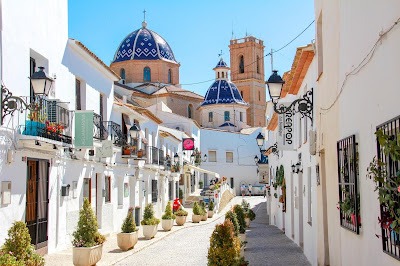
Known for its picturesque old town with whitewashed houses, cobbled streets, and iconic blue-domed church, Altea captivates visitors with its artistic atmosphere and laid-back lifestyle.
Altea is the most beautiful village in Spain
In 2023 National Geographic published an article with the 100 most beautiful villages in Spain and Altea was placed as the first.
Ad, Google thinks you’re interested in this
Why is Altea so famous? Is it woth to visit Altea?
Altea stands out for its privileged location on the Costa Blanca, where it enjoys an exceptional microclimate, with pleasant temperatures throughout the year. Thanks to this, along with its paradisiacal coast, Altea has always been a haven full of beauty and peace for artists and bohemians (and also pirates).
If you’re looking for a quiet and beautiful place, coastal with white houses and a historic center full of history, Altea is for you.
Location of Altea. Where is it and how to get there?
Altea is a very well-connected place by road, air, sea, and train.
Located on the shores of the Mediterranean, south of Calpe and north of Alfaz del Pi, Altea is easily accessible by road via the N-332 and the AP-7.
The Alicante-Elche Airport is about 60 km to the south, and the Valencia Airport is 116 km to the north. Altea also has three marinas and is connected by bus to nearby cities and by tram to other towns on the Costa Blanca.
Where is Altea in Spain?
Altea is a municipality located in the Valencian Community, Spain, specifically in the province of Alicante. It is located on the Mediterranean coast of the Iberian Peninsula, in the section known as the Costa Blanca.
Located about 10 kilometers from Benidorm, about 134 km from Valencia, and about 50-52 kilometers from Alicante.
The town also borders the municipalities of Alfaz del Pi, La Nucía, Callosa de Ensarriá, Jalón, Benisa, and Calpe.
The Sierra de Bernia, to the north of the municipality, serves as a natural barrier and border between the regions of Marina Baja and Marina Alta.
Ad, Google thinks you’re interested in this
How to get to Altea?
By Road:
The N-332 connects Altea with coastal towns like Benidorm and Calpe, while the AP-7 highway (exit 64) links it to the entire coast.
By Air:
The Alicante-Elche Airport (61 km) and Valencia Airport (116 km) provide easy access.
By Train & Tram:
The FGV train and TRAM line 9 connect Altea with Alicante, Dénia, and nearby towns.
By Bus:
ALSA and local buses link Altea with Benidorm, Dénia, Valencia, Madrid, and more. Bus 10 connects Altea with Albir, Alfaz del Pi, and Benidorm.
By Sea:
Altea has three marinas (Marina Greenwich, Altea Yacht Club, and Porto Senso) with 900+ moorings and is 65 miles from Ibiza and Formentera.
Altea in Alicante
Altea, a picturesque coastal town in Alicante, is known for its white-washed old town, beaches, artistic vibe, and status as a Valencian cultural hub. Tourism is its main economic driver.
Altea in Costa Blanca
Altea is one of the most charming destinations on the Costa Blanca, standing out for its whitewashed old town, artistic atmosphere, and stunning coastal views. Strategically located between Benidorm and Calpe, it offers a more tranquil and authentic alternative to the region’s larger tourist hubs
Ad, Google thinks you’re interested in this
General characteristics of Altea. Climate, size, security and more
Climate in Altea
Altea, on the Costa Blanca, enjoys a sunny, Mediterranean climate with warm, dry summers and mild, wet winters.
Temperatures average 18.3°C (65°F) annually, with highs over 30°C (86°F) in summer and lows around 6.5°C (44°F) in winter.
The sea temperature ranges from 16°C (61°F) to 23°C (73°F), and rainfall, averaging 494 mm (19 inches), is mainly in autumn and early winter.
Size and population
Altea, population 23,963 (2024), has grown significantly since the 1960s due to tourism. A third of its population is foreign, mainly from Romania, the UK, and Russia. Covering 34.43 km² (including 6 km of coastline), Altea offers a relaxed atmosphere and a high quality of life.
Ad, Google thinks you’re interested in this
Safety, quality of life and infrastructure
Life Quality in Altea
Altea offers a high quality of life thanks to its privileged natural environment, its pleasant climate and its peaceful atmosphere. The town enjoys a bohemian atmosphere, with workshops of artisans and artists that give it a special charm.
Services and infraestructure
Altea has a wide range of services, including health centers, nearby hospitals in Villajoyosa and Benidorm, supermarkets, pharmacies and schools, as well as sports facilities such as the Nautical Club, Sports City, Municipal Swimming Pool and Tennis and Paddle Club.
Security in Altea
Security is another strong point of Altea, as it is a generally safe place, with a quiet and uncrowded environment, especially outside the high season.
Tourisim and massification
Despite being a major tourist destination, Altea has managed to maintain its charm and quiet atmosphere, which differentiates it from other crowded tourist destinations.
La Marina Altea
Altea’s coastline is home to two major marinas: Altea Yacht Club and Marina Greenwich (Campomanes Marina), both offering top-tier facilities for boating and water sports. Altea’s marinas not only attract nautical enthusiasts but also enhance the town’s charm as a Mediterranean hotspot.
The region of Altea (Altea Region)
Region: Altea is located in the Marina Baja region.
Coastal Location: It is situated in the Bay of Altea, south of Calpe and north of Alfaz del Pi.
Greenwich Meridian: The Greenwich Meridian passes through the northern part of the municipality and its bay.
Boundaries: Altea borders several municipalities: Alfaz del Pi, La Nucía and Callosa de Ensarriá to the south and east, and Jalón, Benisa and Calpe to the north. The latter three belong to the Marina Alta region.
Sierra de Bernia: To the north, the Sierra de Bernia serves as a natural barrier and border between the regions of Marina Baja and Marina Alta.
Distances: Altea is about 10 kilometers from Benidorm, about 134 from Valencia, and between 50 and 52 kilometers from Alicante.
Ad, Google thinks you’re interested in this
Attractions and things to do in Altea
Places of interest in Altea
Old Town (El Fornet): Altea’s old town, with its cobbled streets and white houses, is a charming labyrinth full of picturesque corners and craft shops.
Church of Our Lady of Consolation: The main church of Altea, with its blue domes, is an iconic symbol of the city and a visible landmark from many places.
Plaza de la Iglesia: The church square, located in the heart of the old town, offers panoramic views of Altea and the sea.
Chronicle’s Viewpoint (Wall Viewpoint): This viewpoint, near the church, offers panoramic views of Altea, its port, and the surrounding landscape.
Bellaguarda Tower: An old watchtower located in the oldest neighborhood of Altea.
Galera Tower: A 16th-century coastal watchtower located in the Galera del Mar urbanization.
Bastion and Renaissance Enclosure: 17th-century walls that preserve access gates and buildings from that era.
Roman Aqueduct of Els Arcs: A 2nd-century Roman aqueduct that carried water to the ancient Roman villa of Albir.
Orthodox Church of the Archangel Michael: The first Orthodox temple built in Spain, a replica of a 17th-century Russian church.
Altea Market
Every Tuesday from 08:00 to 14:00, Altea comes alive with its weekly market, a must-visit for both locals and tourists. Spanning Carrer de la Filarmónica (fresh produce) and Camí del l’Algar & Plaza del Ayuntamiento (textiles and accessories), the market offers a vibrant mix of products, including:
Fresh fruits and vegetables from local farms.
Clothing and accessories such as shoes, bags, wallets, and hats.
Handmade crafts and unique artisan goods.
Local delicacies, such as nuts, honey, and spices.
Leisure and nightlife
Altea offers a diverse range of leisure activities, from dining at restaurants with sea views or traditional Mediterranean cuisine to exploring the local market and strolling along the lively promenade.
Outdoor activities and lifestyle
Altea, with its 6 kilometers of coastline, offers a variety of beaches, coves, and cliffs, including the popular La Roda and Olla beaches, as well as more secluded options like Cap Negret and Mascarat. Water sports are popular, and the Sierra de Bernia provides hiking trails. With three marinas and a tranquil atmosphere, Altea is a haven for artists, retirees, and expats.
Albir-Altea promenade
A scenic seaside promenade connects Altea and Albir, stretching from Cap Blanch Beach to Albir Beach. Perfect for walking, jogging, or cycling, it offers stunning sea views and a relaxed atmosphere.
Beaches in Altea
Altea’s 6-kilometer coastline is known for its pebble beaches, crystal-clear waters, and peaceful atmosphere, offering both urban convenience and hidden natural retreats.
Urban Beaches:
Playa de la Roda – The most central and lively beach, next to the promenade, with a Blue Flag distinction and great for water sports.
Playa de l’Espigó – A calm artificial lagoon, perfect for families.
Scenic & Tranquil Beaches:
Playa de la Olla – A serene beach with access to the Isleta de l’Olla and host of the Castell de l’Olla firework festival.
Playa Cap Negret – A quiet, picturesque beach with views of the Sierra de Bèrnia.
Playa Cap Blanch – The longest beach in Altea, connecting with Albir.
Playa del Mascarat – Located under the Sierra de Bèrnia, near Marina Greenwich.
Secluded & Naturist Coves:
Cala Barra Grande & Playa Galera-Solsida – Popular naturist spots.
Punta del Mascarat – A rocky promontory with two small, untouched coves.
Playa Barreta – Next to Puerto Deportivo Campomanes.
Altea Bay
The Bay of Altea, nestled between Calpe and Alfaz del Pi, boasts 6 km of diverse coastline, sunny weather, and picturesque beaches like La Roda and Olla. It’s perfect for water sports, boat trips, and enjoying views from Altea’s old town, with the Sierra de Bèrnia and Serra Gelada nearby.
Greenwich Marina Altea
Marina Greenwich, a prestigious Blue Flag marina near Altea, is uniquely located on the Greenwich Meridian. With 542 berths, modern facilities, and a vibrant commercial area, it’s a haven for boaters and visitors alike, offering water sports and easy access to major airports and the Balearic Islands.
More attractions in Altea
Altea, the “Dome of the Mediterranean,” charms with its historic old town, iconic blue-domed church, stunning views, and artistic vibe.
Pebble beaches, water sports, and marinas cater to beach lovers and sailors, while nearby mountains and natural parks offer hiking.
From local markets to historic landmarks like the Russian Orthodox Church and Roman Aqueduct, Altea offers a rich blend of culture and natural beauty on the Costa Blanca.
Ad, Google thinks you’re interested in this
History, languages and main celebrations. Culture of Altea.
History of Altea
With possible Greek or Arabic origins, Altea’s rich history includes Iberian, Roman, and Muslim periods, culminating in its reconquest by James I of Aragon in 1244. After several repopulation attempts, Altea flourished, particularly after the 18th-century boom and the 20th-century rise of tourism, becoming a haven for artists and a center of bohemian culture.
Languages spoken in Altea
Official Languages: The official languages in Altea are Spanish and Valencian.
Predominance: Valencian is the predominant language in the region, although Spanish is widely spoken and understood. English is also spoken, particularly in tourist-related businesses and areas.
Celebrations and festivities (some of them)
Patron saint festivities: Throughout the year, each district or neighborhood in Altea honors its patron saint with local celebrations.
Mig Any: In February, Altea celebrates the Mig Any festivities with Moors and Christians parades in honor of San Blas, as well as the “Festa del porquet” (piglet festival) in the Plaza de la Iglesia.
Holy Trinity, Saint Anthony, and Saint John: In June, festivities are held in honor of the Holy Trinity, Saint Anthony, and Saint John, featuring the traditional “Plantà de l’Arbret” (planting of the small tree).
Saint Roque, Saint Lawrence, Saint Isidro, and Saint Louis: August in Altea is a month of celebrations honoring Saints Roque, Lawrence (with the “Castell de l’Olla” fireworks), Isidro, and Louis, each with its own festivities.
Moors and Christians festivities: At the end of September, Altea celebrates its patron saint, the Christ of the Sanctuary, with Moors and Christians festivities, featuring parades and battle reenactments.
Castell de l’Olla: The “Castell de l’Olla” is Altea’s most prominent event, an impressive fireworks display over the sea that attracts thousands of visitors every August.
Encontes: This oral storytelling festival is held in May, with events that include stories and songs for all ages.
Easter: During Holy Week, Altea is filled with solemn processions, and a carnival is also celebrated before Lent.
Altea la nova and Altea la vella
Altea la Vella, meaning “Old Altea,” is the historical heart of the municipality, nestled on the mountainside in a rural and tranquil setting. Rich in tradition, it preserves a deep connection to Altea’s past, with centuries-old festivals and a slower pace of life.
In contrast, Altea la Nova represents the town’s more modern and developed areas, closer to the sea and shaped by tourism and urban expansion since the 1960s.
Ad, Google thinks you’re interested in this
Economy and opportunities in Altea. Cost of living, job opportunities and major industries and sectors
Cost of living and commodity prices.
Housing: Housing prices in Altea vary by location, with the old town and beach areas being the most expensive.
Services: Altea has supermarkets, stores, health centers, nearby hospitals, and pharmacies to cover basic needs.
Transportation: Public transportation, including buses and streetcars, connects Altea with other coastal towns.
Food: There are local markets and supermarkets to buy food, and restaurants offer menus at different prices.
Leisure: Altea offers a variety of bars, restaurants, cafes, ice cream shops, and pastry shops, although prices can be higher in tourist areas.
Main industries and economic sectors
Tourism: Tourism is the foundation of Altea’s economy.
Construction: Construction is an important sector, although with ups and downs.
Agriculture: Agriculture, with citrus fruits, complements the local economy.
Fishing: Fishing is traditional, but less economically relevant.
Trade and services: Trade and services are vital for economic activity.
Labor supply and entrepreneurship
Employment: The service sector, especially tourism, is Altea’s main source of employment.
Hotels: Hotels offer diverse job opportunities.
Handicrafts: Local crafts offer opportunities for entrepreneurs.
Investment: Tourism attracts investment, particularly in tourist properties.
Real Estate: The real estate sector offers opportunities in sales, rentals, and management.
Services: Other services like commerce and banking also generate employment.
Education: Education, with schools and a university, creates jobs.
If you want to improve your Spanish while meeting new and fun people, this is the event for you. 🥳
Meet new people in Alicante
Would you like to meet new people in Alicante but don’t know how? Are you traveling and in the mood for an interesting plan? Don’t miss our language exchange. A perfect opportunity to socialize and learn at the same time. We are waiting for you.
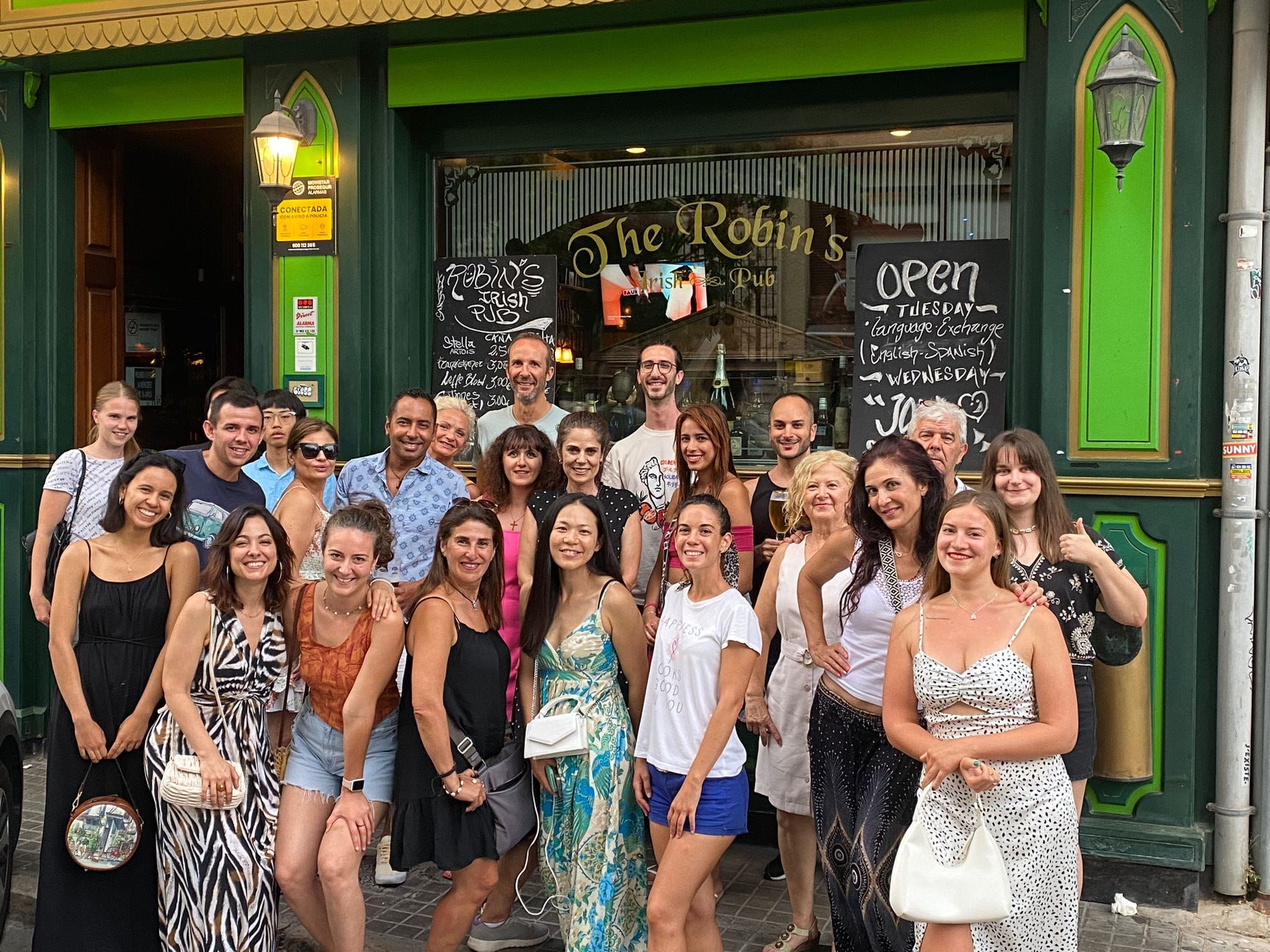
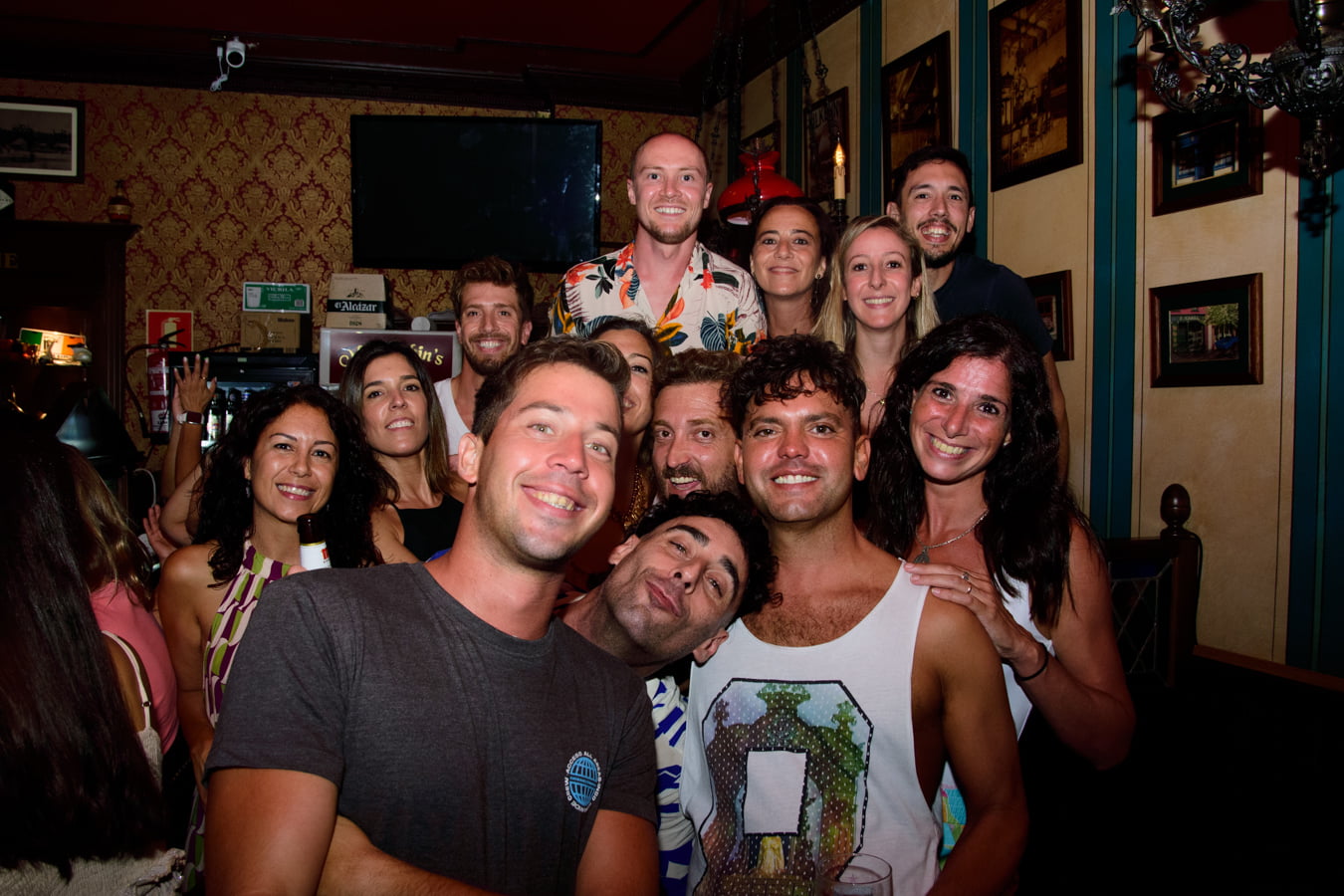
Every Tuesday at 19:00 we meet to practice languages and have a good time at The Robin’s Pub, one of the most international pubs in Alicante with a very good atmosphere, interesting people and good service 👌
The pUb Robin’s is the best Irish pub in Alicante. A place full of good energy and always with both local and international people eager to make friends. Join us!
Everything you need to know to discover this unique place in Alicante: Torrevieja Pink Lake.
Did you know that this place is unique in Spain and that it is also one of the few places in this country where you can see flamingos? All this and much more in this article!
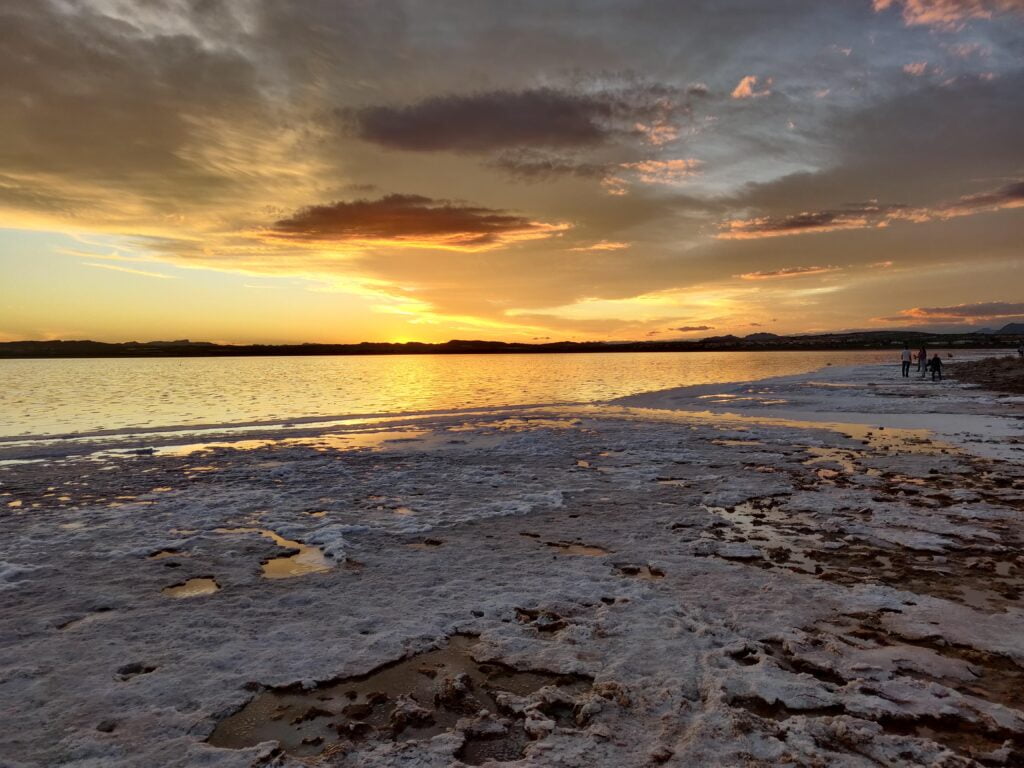
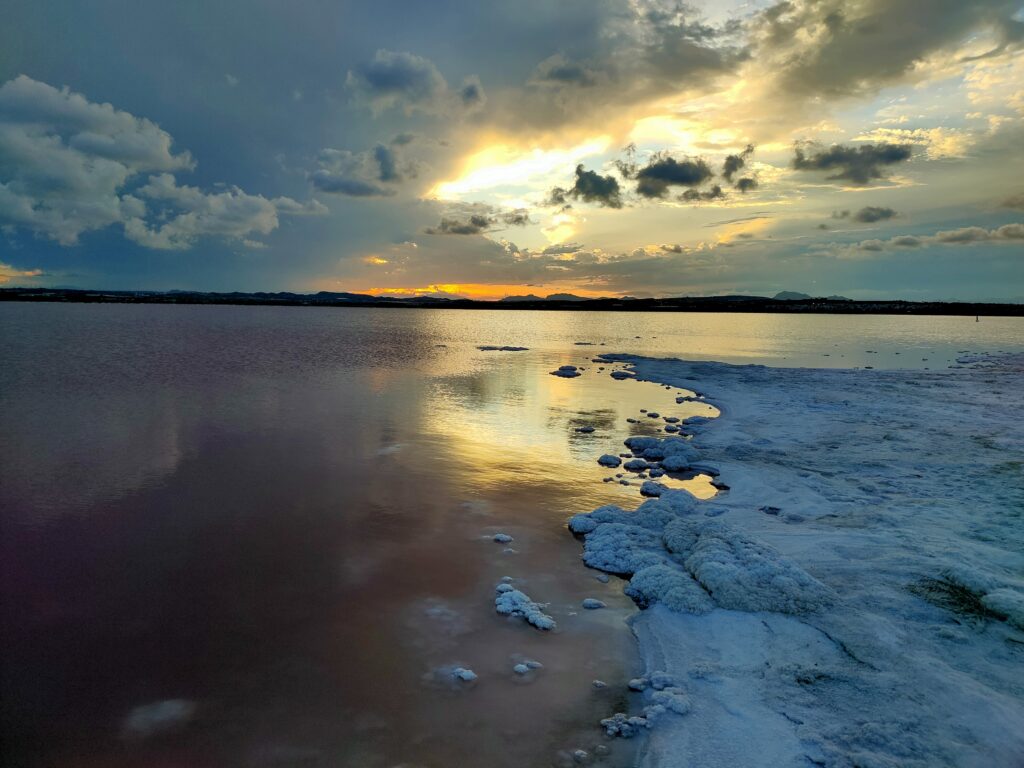
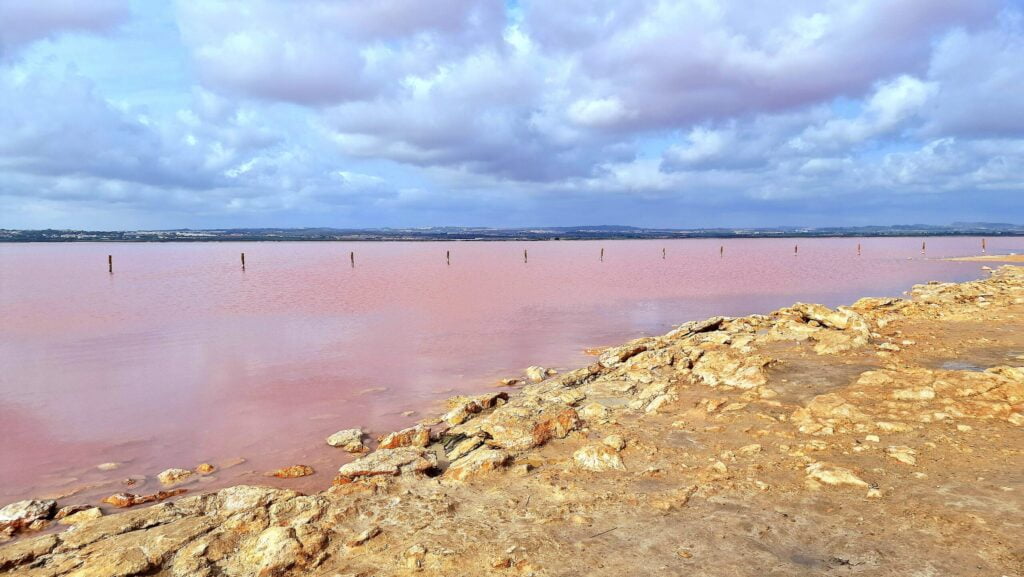
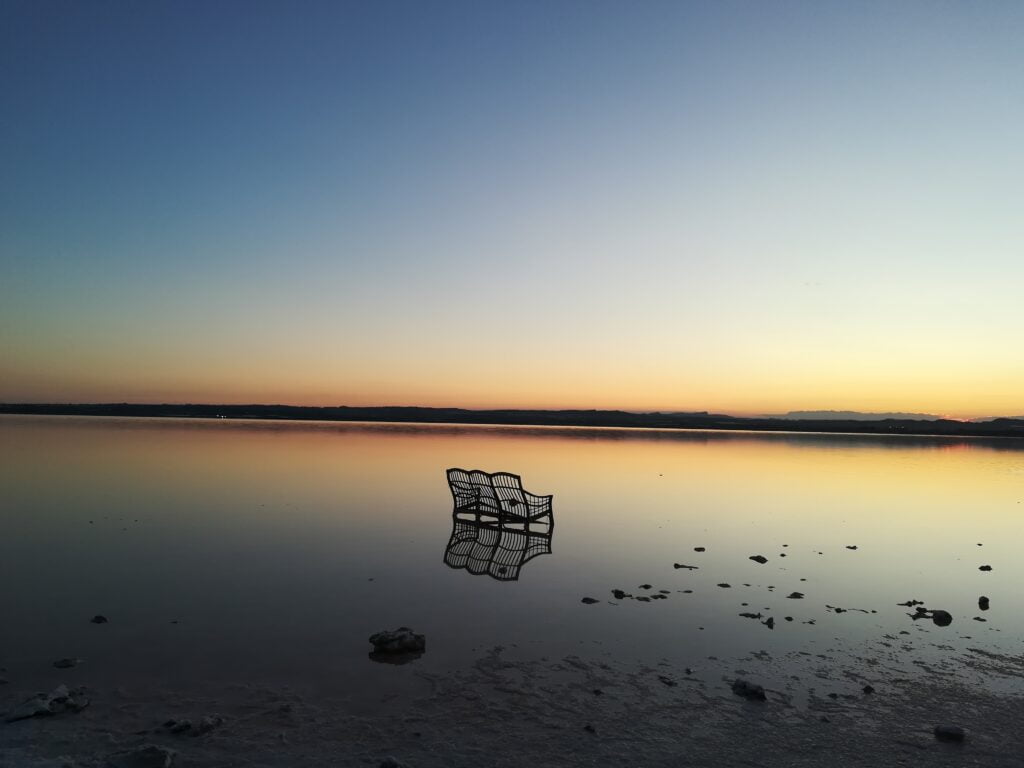
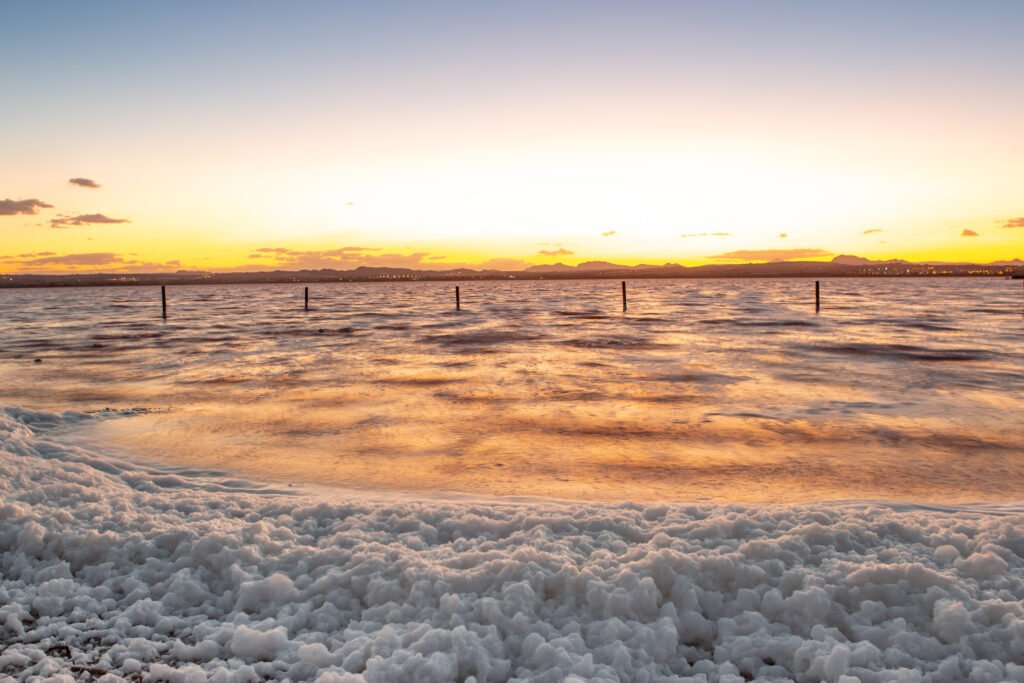
Nestled in the charming town of Torrevieja, Spain, the Pink Lake, known as Laguna Salada de Torrevieja, is a natural marvel that captivates visitors with its vibrant pink hues.
This stunning salt lake owes its unique color to the high concentration of algae and bacteria, creating a picturesque scene that feels almost otherworldly.
Whether you’re looking to snap some incredible photos or simply soak in the beauty, the Pink Lake Torrevieja is a must-see destination that promises to leave a lasting impression.
Where is the pink lake in Alicante
It is located south of Alicante in a town called Torrevieja, about 45 minutes drive from Alicante.
How to get to the pink lagoon of Torrevieja from Alicante
The only way to get to the pink lagoon from Alicante is by car. There is no public transportation that is worthwhile.
By car it is about 45 minutes and you can choose the AP-7 or the N-332 road.
From here we recommend the road that follows the coast, we leave you the exact route on the map.
Pink Lagoon Torrevieja entrance
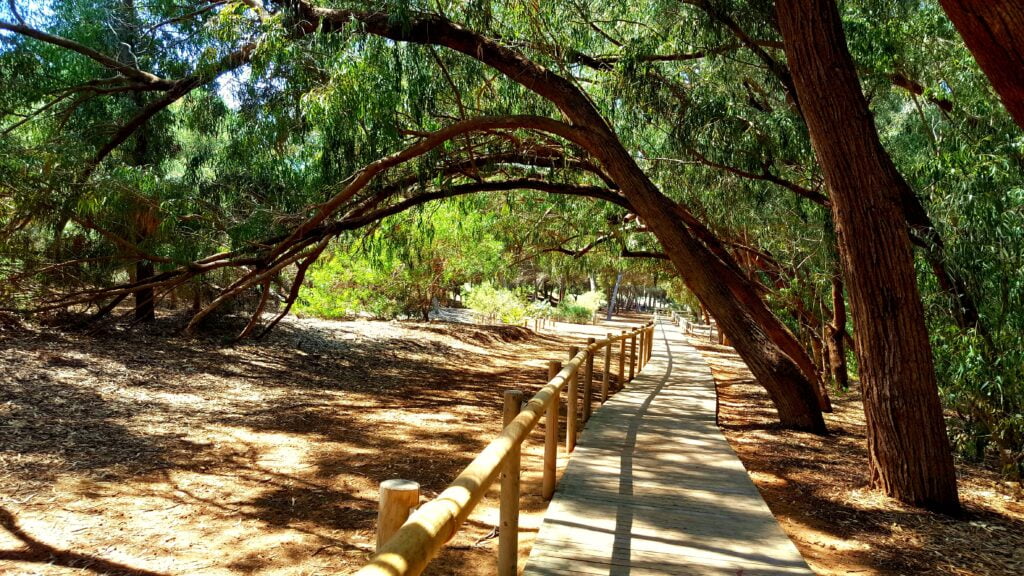
Located within the Parque Natural de las Lagunas de La Mata y Torrevieja, the entrance is well-marked and easily accessible.
As you make your way in, you’ll find information boards and pathways guiding you towards the best viewpoints.
The entrance fee is free, you don’t have to pay anything. It is simply a lagoon, it has no entrance fee as such.
Ad, Google thinks you’re interested in this
Best time to visit
The best time to visit the Pink Lake in Torrevieja is during the summer months, from June to September, when the vibrant pink hues are at their most intense.
Early mornings and late afternoons offer the best lighting and a more tranquil experience, avoiding the midday heat and crowds.
Weather in Pink Lake Alicante
One good thing about Alicante is that the weather is always nice. There are almost always sunny days and very few cloudy or rainy days.
Here you have the weather in real time
Is it pink all year round?
No, the lake’s pink hue is only clearly visible during the warmer months, when temperatures are higher.
During this time, the bacteria and algae are more active, thus giving off the lake’s color.
Ad, Google thinks you’re interested in this
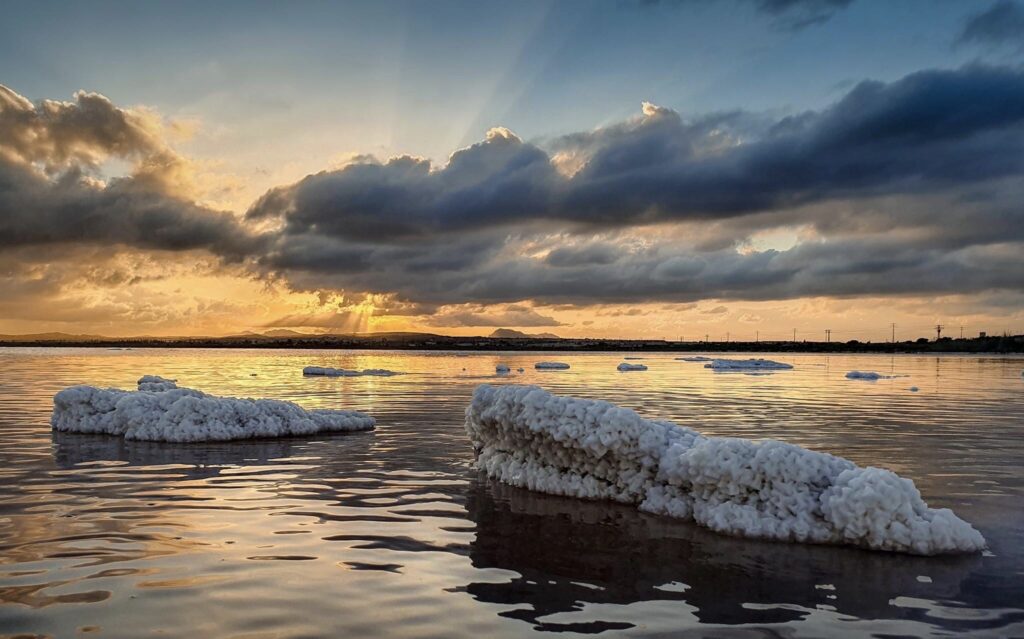
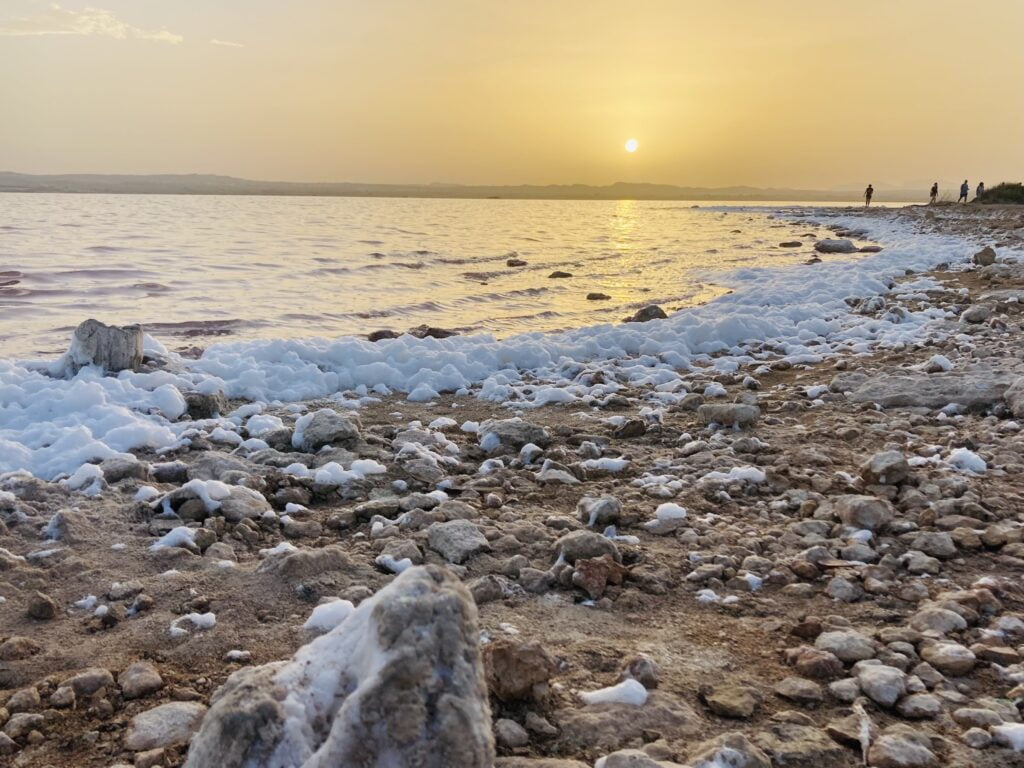
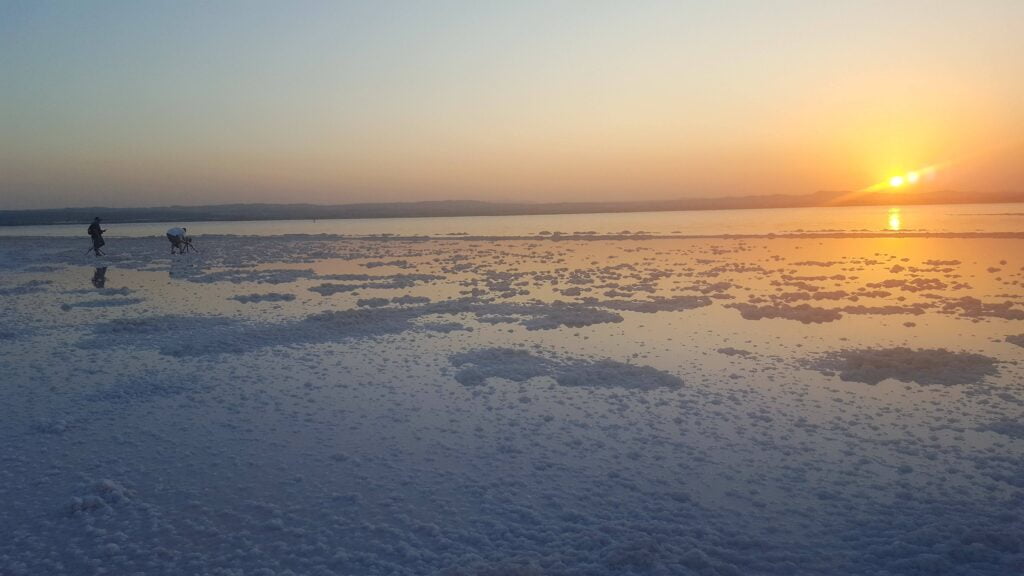
The pink lake of torrevieja photos
What to expect at the Pink Lake
Expect to be greeted by breathtaking pink waters that change hue with the sunlight, offering perfect photo opportunities.
The area around the lake is serene and peaceful, ideal for a leisurely stroll or a relaxing picnic.
You’ll find informative signs explaining the natural phenomenon and can enjoy the stunning contrast between the blue skies and pink waters.
Some cons about the lake
Despite being considered a natural park and being a place of great beauty, sometimes people are a little disrespectful and dirty the place or break the rules.
You may see people bathing even though it is forbidden or littering the area.
It is not the most common thing but it is something that can happen.
Ad, Google thinks you’re interested in this
Is it worth to visit?
Completely. All the people who visit it are very surprised when they visit the lake.
It is a huge pink lagoon, something you don’t see every day.
We recommend spending a nice day at the pink lagoon, enjoy the scenery and visit Torrevieja to complete the visit.
Visit Torrevieja
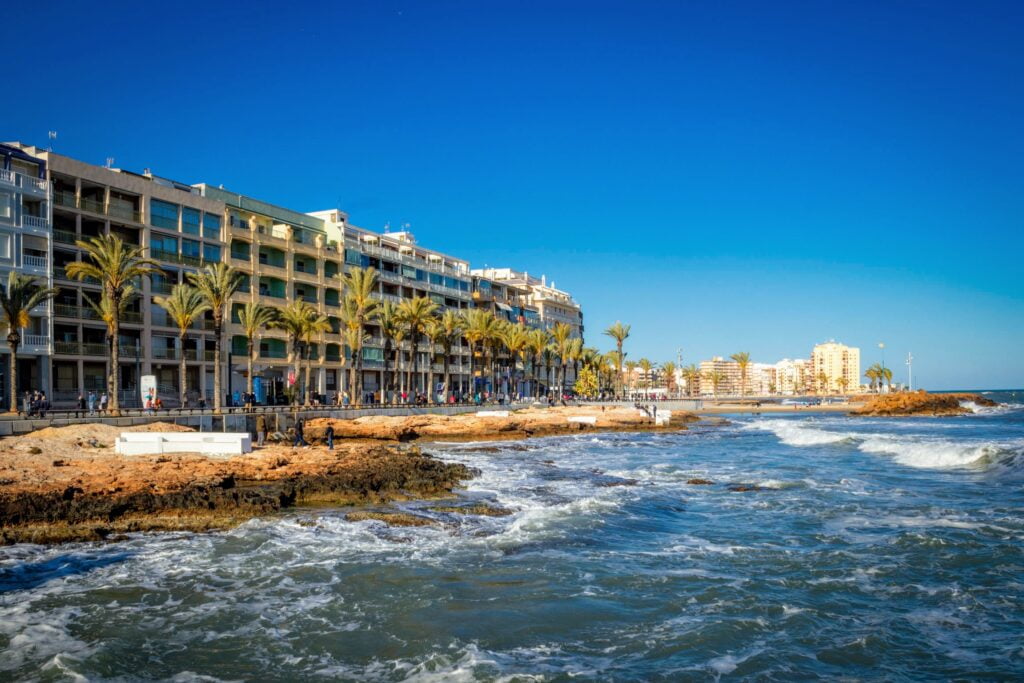
Torrevieja is a vibrant coastal town that offers a perfect blend of natural beauty and cultural attractions.
In addition to the famous Pink Lagoon Torrevieja, Spain, visitors can enjoy beautiful beaches, lively promenades, and a variety of restaurants and shops.
The town boasts a rich history, charming architecture, and friendly locals. Whether you’re exploring its natural parks, visiting museums, or simply relaxing by the sea.
Where to stay close to the Pink Lake (also called Pink Lagoon Spain)
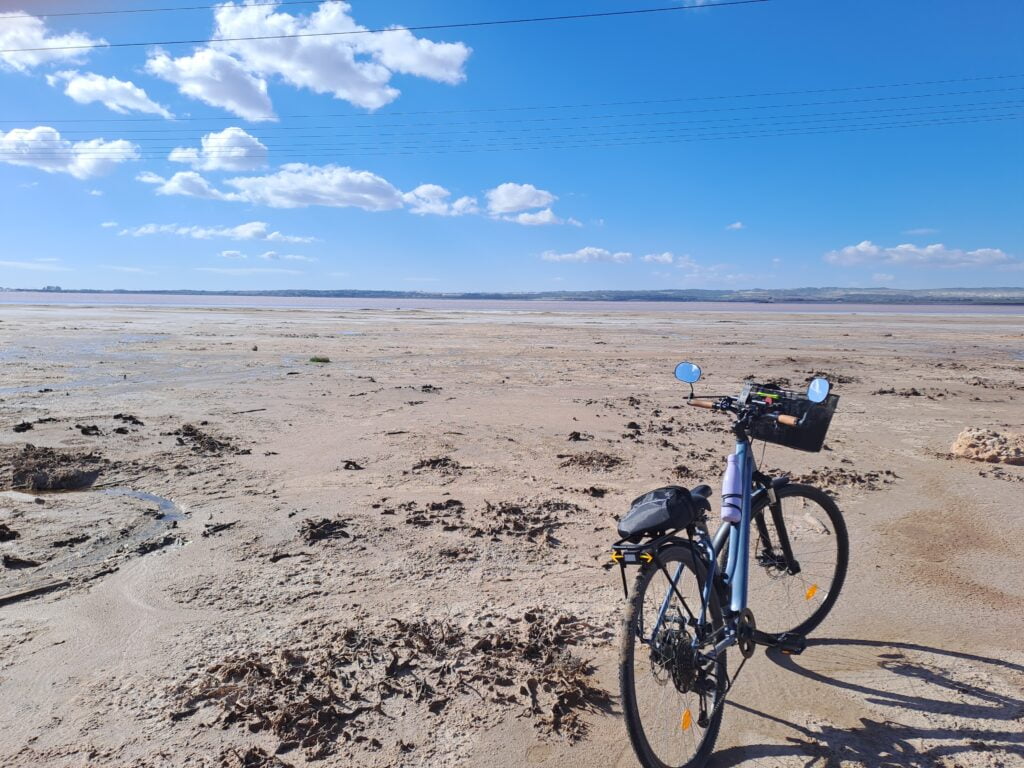
There are plenty of great accommodation options near the Pink Lake in Torrevieja. From cozy bed and breakfasts to luxurious hotels, you’ll find something to suit your needs and budget. Staying close to the lake allows for easy access to this natural wonder, as well as to the town’s other attractions. Many places offer stunning views and are just a short drive or bike ride from the Pink Lake, making your visit convenient and enjoyable.
Why is the lake pink?
The Pink Lagoon in Torrevieja, Spain,xº owes its stunning color to a combination of natural factors.
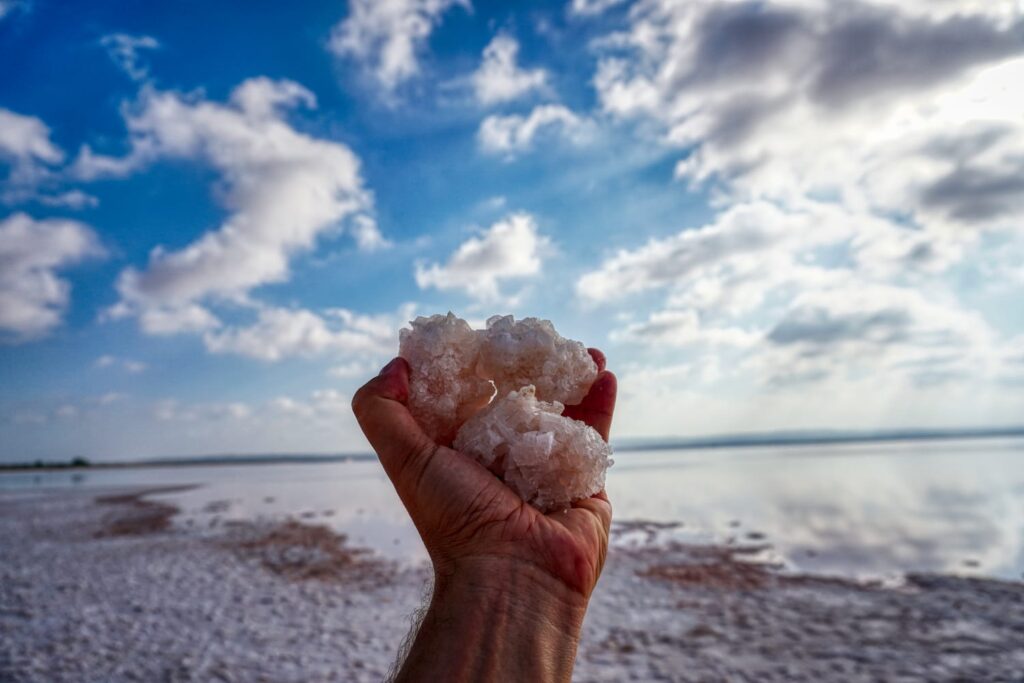
The high salt concentration in the water creates an ideal environment for specific algae and bacteria, particularly *Dunaliella salina* and *Halobacterium*.
These microorganisms produce a red pigment called beta-carotene, which, when combined with the salt, gives the lake its characteristic pink hue.
This natural phenomenon not only creates a visual spectacle but also highlights the unique ecological makeup of the area.
Ad, Google thinks you’re interested in this
Can you swim in the Torrevieja Salt Lakes?
Swimming is not allowed.
The lake’s high salt concentration and the presence of delicate microorganisms make it unsuitable for swimming.
Additionally, the lake is part of a protected natural park, and preserving its unique environment is crucial.
But if you want to swim you can go to the other lagoon (Laguna Salada de la Mata), which is in front. Or to the beach, which is very close.
Flamingos at the Pink Lake
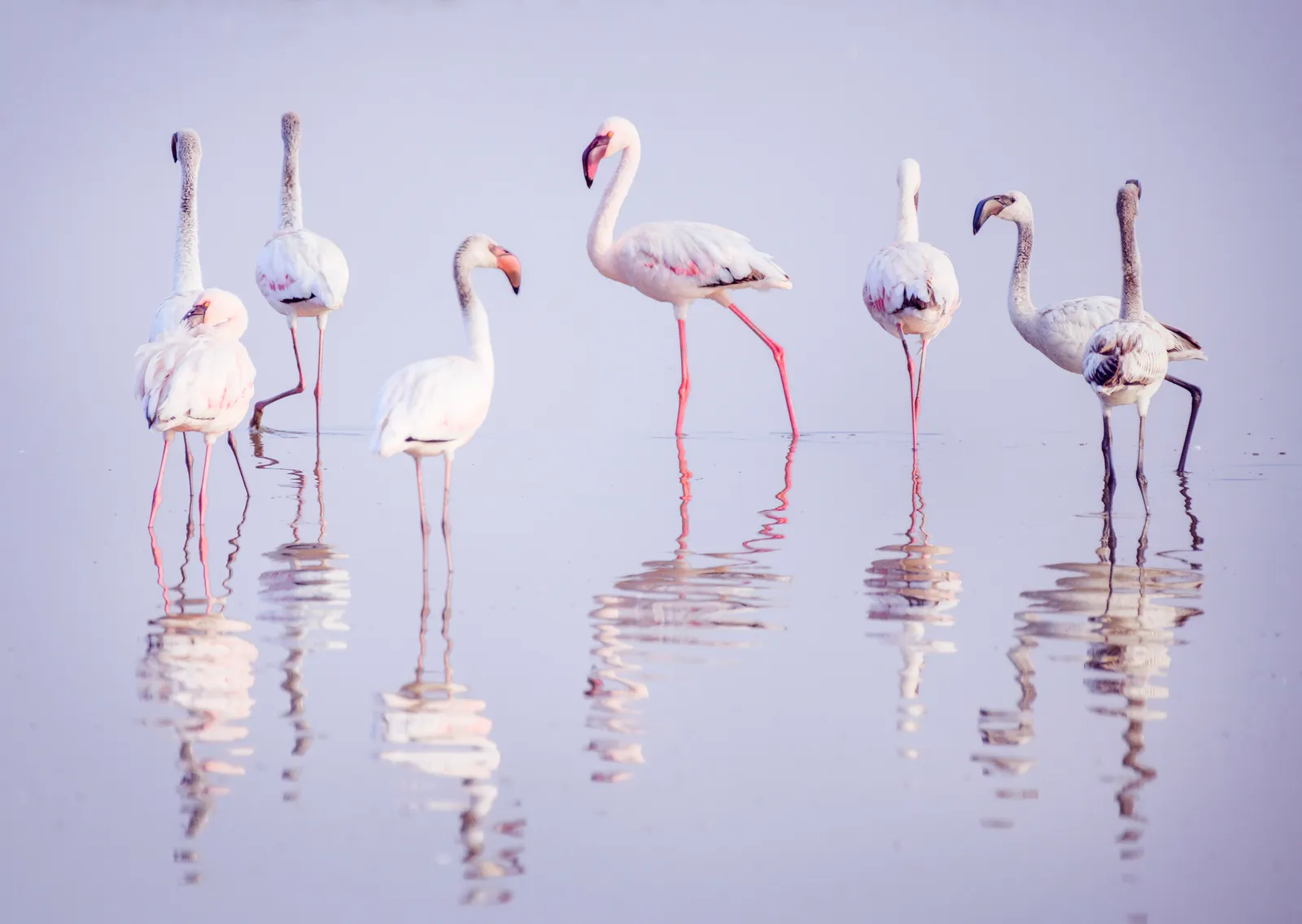
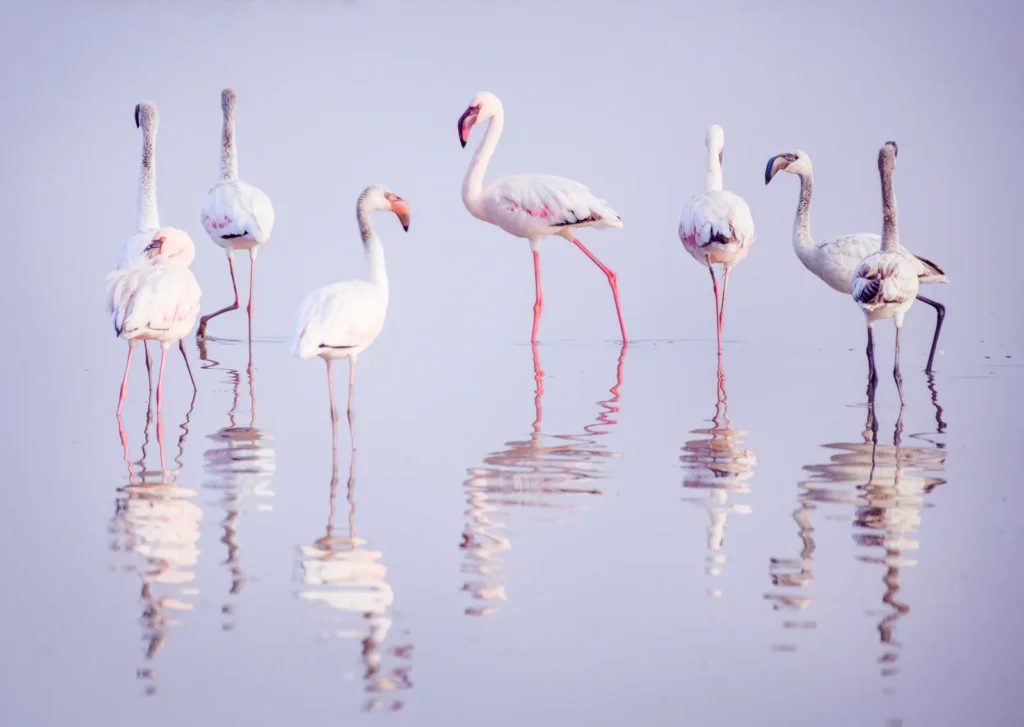
One of the delightful sights at the Pink Lake in Torrevieja is the presence of flamingos.
The high salt concentration attracts brine shrimp, a primary food source for the flamingos, making the lake an ideal feeding ground.
Watching these beautiful creatures in their natural habitat is a highlight for many visitors.
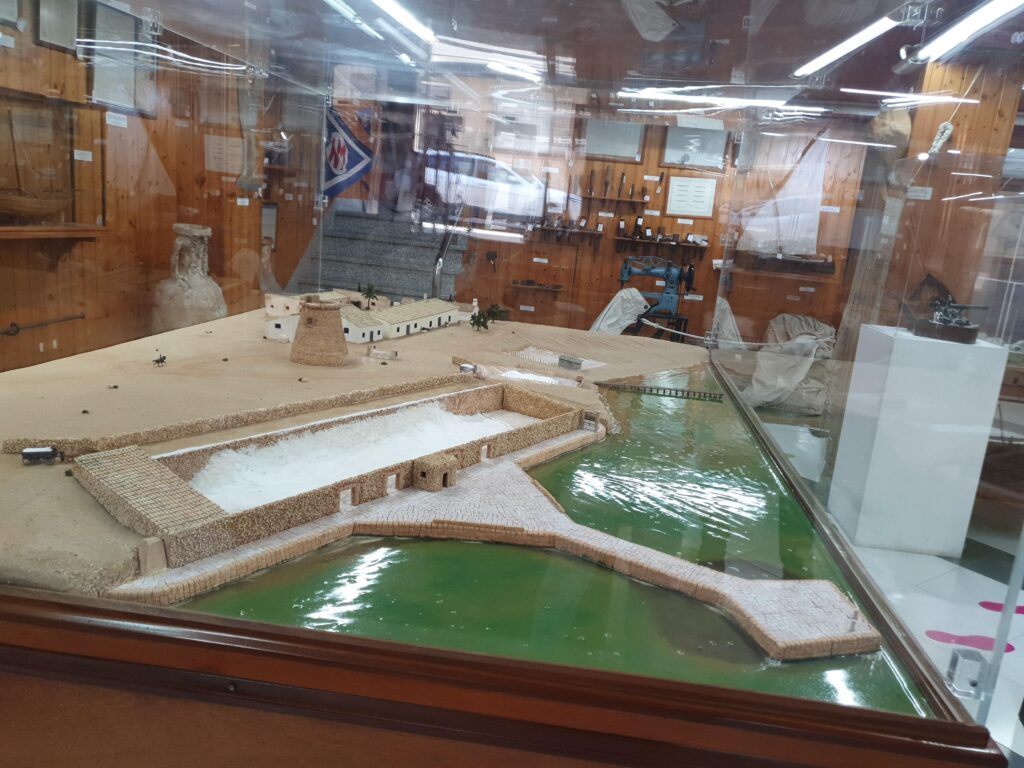
Sea and Salt Museum (Museo del Mar y de la Sal)
A visit to the Sea and Salt Museum in Torrevieja offers fascinating insights into the town’s rich maritime and salt production history.
The museum showcases a variety of exhibits, including traditional salt extraction tools, model boats, and historical artifacts.
It provides an educational and engaging experience, highlighting the cultural significance of salt and the sea to the local community. It’s a great way to complement your visit to the Pink Lake.
Are There Health Benefits?
It is believed that the high salt and mineral content has therapeutic properties, benefiting the skin and respiratory problems.
This aspect has increased its appeal, positioning it as a point of interest for those interested in natural health and wellness.
Additionally, the biodiversity in and around the lagoon is remarkable, offering a home to various species of birds and plants adapted to saline environments.
Ad, Google thinks you’re interested in this
History and Culture of the Pink Lake
The geological history of Torrevieja and its lagoon is as rich as its landscape is beautiful. Formed thousands of years ago, the lagoon has witnessed climatic and human changes, each leaving its mark on the environment. Salt extraction, one of the oldest and still active industries in the region, has influenced the local culture, transforming the economy and landscape of Torrevieja.
The cultural influence of the Pink Lake extends beyond its economic impact. It has inspired artists, photographers, and filmmakers, captivated by its beauty and uniqueness. This natural setting has served as a backdrop for numerous artistic works and media projects, promoting conservation and appreciation for nature.
An interesting thing about this lagoon is that it is one of the only pink lakes in spain, almost the unique pink lake in Spain.
FAQ’s About the Alicante pink lake
Where can i park?
You can park anywhere near the lagoon and walk to it. No problem at all.
Is it free?
Yes.
Is it pink all year round?
No, only during the hottest months. From june to september aprox.
Are there toilets or facilities in the area?
No.
Are there guided tours?
Yes. Visit the Interpretation Center (Visitors’ Center) to arrange for a guided tour of the nature reserve. When planning for a group tour of more than 15 people, it is important to call the office in advance.
CONTACT NUMBER: (+34) 965 721 650
Can I go with pets?
Yes, no problem.
Why is the lake pink?
The Pink Lake in Torrevieja owes its stunning color to a combination of natural factors. The high salt concentration in the water creates an ideal environment for specific algae and bacteria, particularly *Dunaliella salina* and *Halobacterium*.
Can you swim in the Torrevieja Salt Lakes?
No. Is not allowed
Can you see flaymingos in torrevieja pink lake?
Yes.
You can park anywhere near the lagoon and walk to it. No problem at all.
Yes.
No, only during the hottest months. From june to september aprox.
No.
Yes. Visit the Interpretation Center (Visitors’ Center) to arrange for a guided tour of the nature reserve. When planning for a group tour of more than 15 people, it is important to call the office in advance.
CONTACT NUMBER: (+34) 965 721 650
Yes, no problem.
The Pink Lake in Torrevieja owes its stunning color to a combination of natural factors. The high salt concentration in the water creates an ideal environment for specific algae and bacteria, particularly *Dunaliella salina* and *Halobacterium*.
Te contamos cómo llegar a este lugar en coche. A penas hay transporte público que llegue a Bolbaite.
Desde Alicante (1h 30 min aprox)
Para llegar desde Alicante hay dos opciones principales, o bien coger la A-31 o bien la A-7.
Si vas por la A-31 tendrás que coger esta carretera saliendo de Alicante por Óscar Esplá. Una vez estés en ella tendrás que conducir una hora aproximadamente hasta la salida 42 para coger la CV-585 y 580 que te llevarán directas hasta Bolbaite.
Para ir desde la A-7 tendrás que salir de Alicante por la Avenida de Jijona. Una vez en la A-7 tendrás que conducir aproximadamente una hora hasta tomar la A-35. Una vez en la A-35 sal por la salida 42 para coger la CV-585 y 580 que llevan directas a Bolbaite.
Desde Valencia (1h aprox)
Sal por Ausias March hacia la A-7. Una vez en ella conduce una media hora hasta salir hacia la CV-590. Una vez en esta simplemente síguela hasta dar con la CV-580, la cual te llevará directamente a Bolbaite.
Entradas para el río de Bolbaite
Desde Junio y hasta Septiembre se tiene que pagar una tasa para acceder a la zona recreativa de Bolbaite. Se puede reservar la entrada al río de Bolbaite online. Estos son los precios:
Precios 2023:
Niños/as menores de 5 años: Gratis
Adultos y mayores de 5 años: 3€
Mayores de 65 años: 2€
El aforo es de 400 personas. 250 con entrada online y 150 con entrada en taquilla. Puedes comprar las entradas online aquí.
Área recreativa del Río de Bolbaite
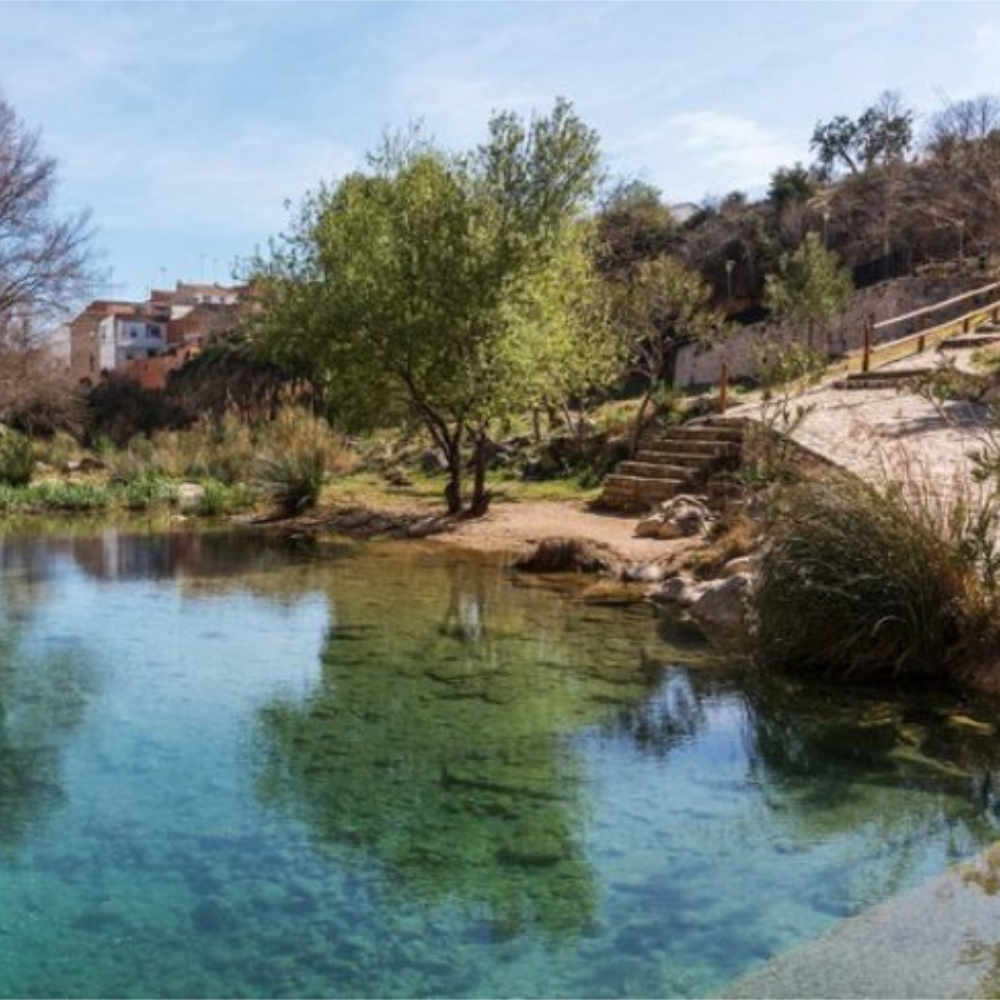
Esta zona recreativa es perfecta para comer algo o simplemente para pasar el rato con amigos o con la familia cerca del río Sellent. Se trata de una zona alargada que sigue la forma del río y dispone de varias mesas, aseos y hasta está equipada con duchas. También dispone de fuentes y parking para bicis.
Piscinas Naturales de Bolbaite
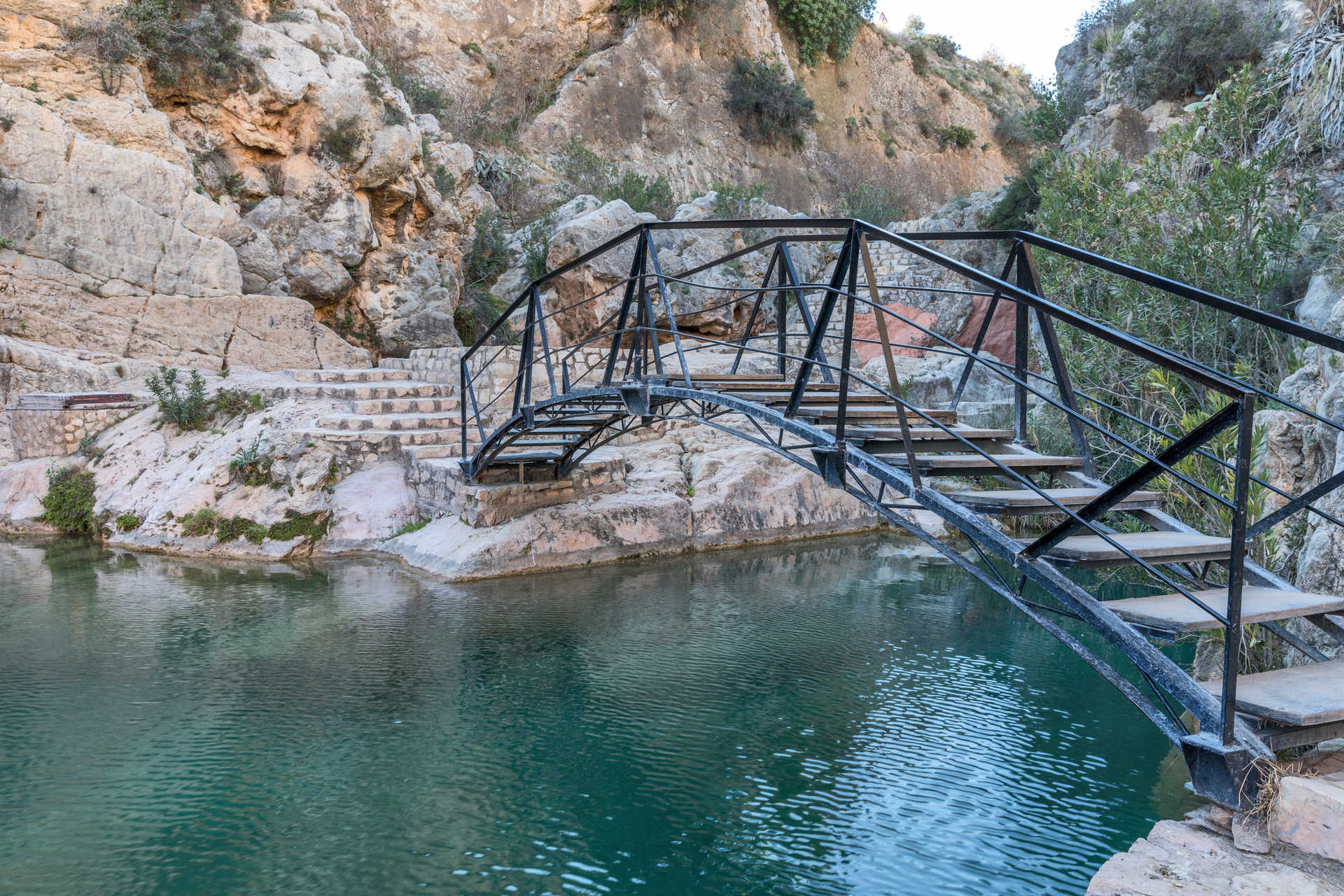
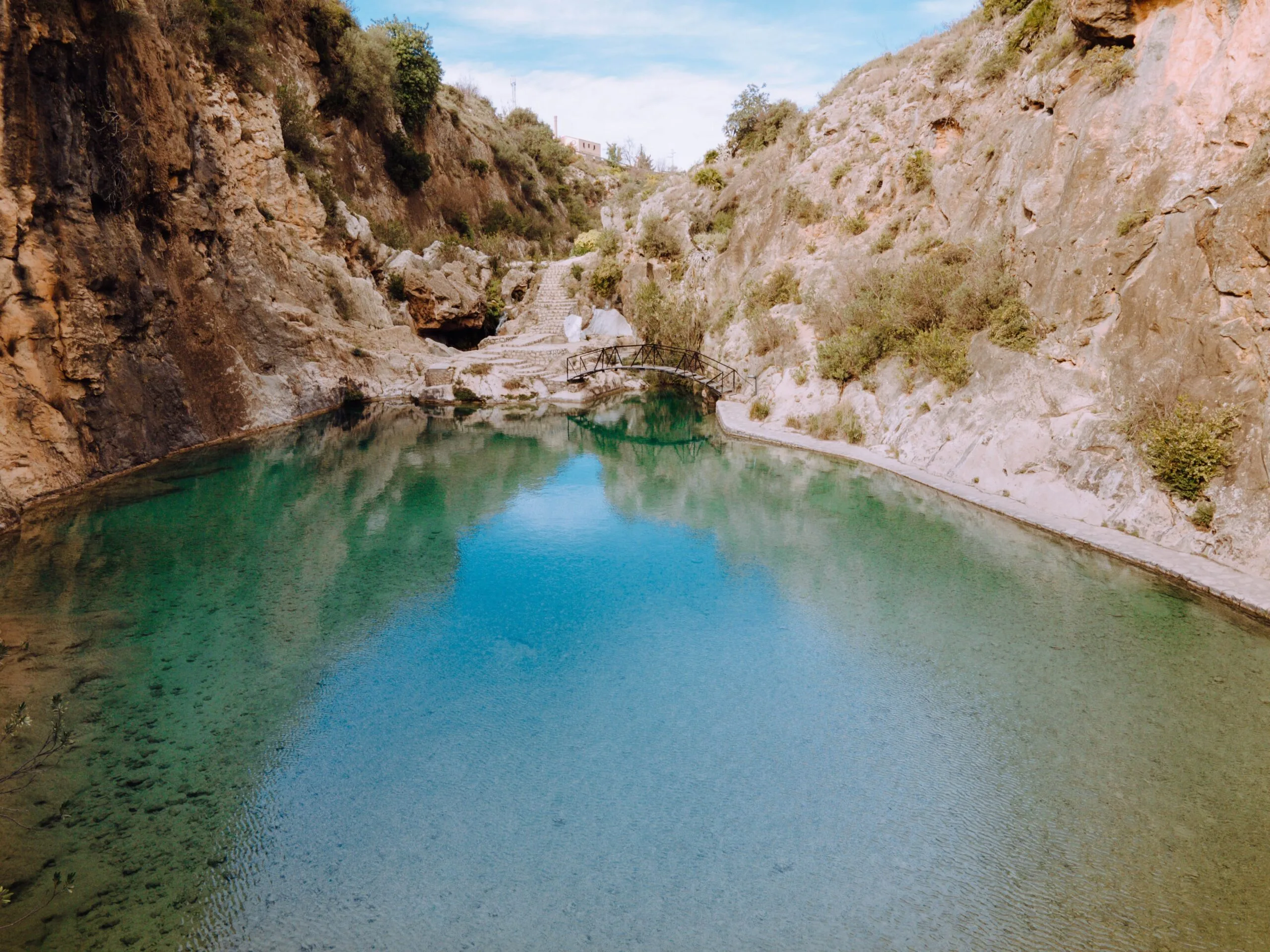
Imagina esto: un pueblo con un ayuntamiento a menos de 10 minutos de la orilla de un río. ¿increíble no? Eso es exactamente lo que pasa en Bolbaite con el río Sellent. Y han tenido una idea buenísima, han construido una zona enorme dentro del río para poder darse un buen baño. Esta es la piscina natural del Río de Bolbaite. Sin duda una de las mejores opciones para luchar contra el sofocante calor del verano.
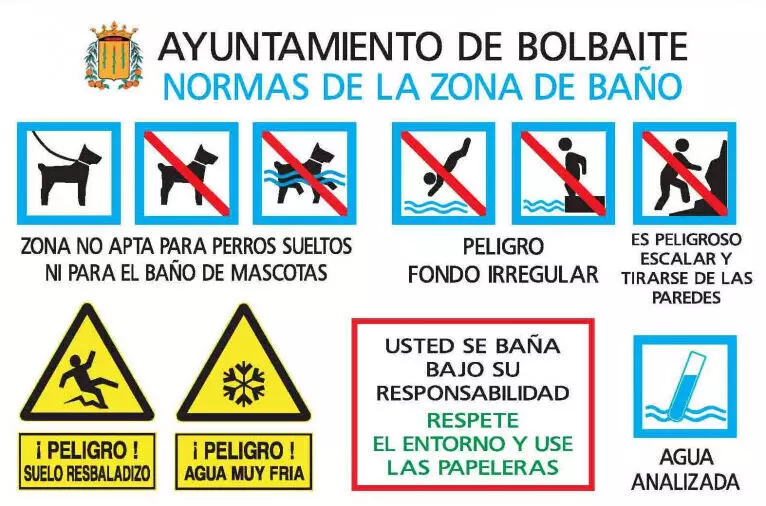
Normativa de las piscinas naturales de Bolbaite
La única restricción que existe es para las mascotas. Es una zona en la que no se permite el baño a mascotas ni el paseo libre de las mismas.
Lugares de interés en Bolbaite
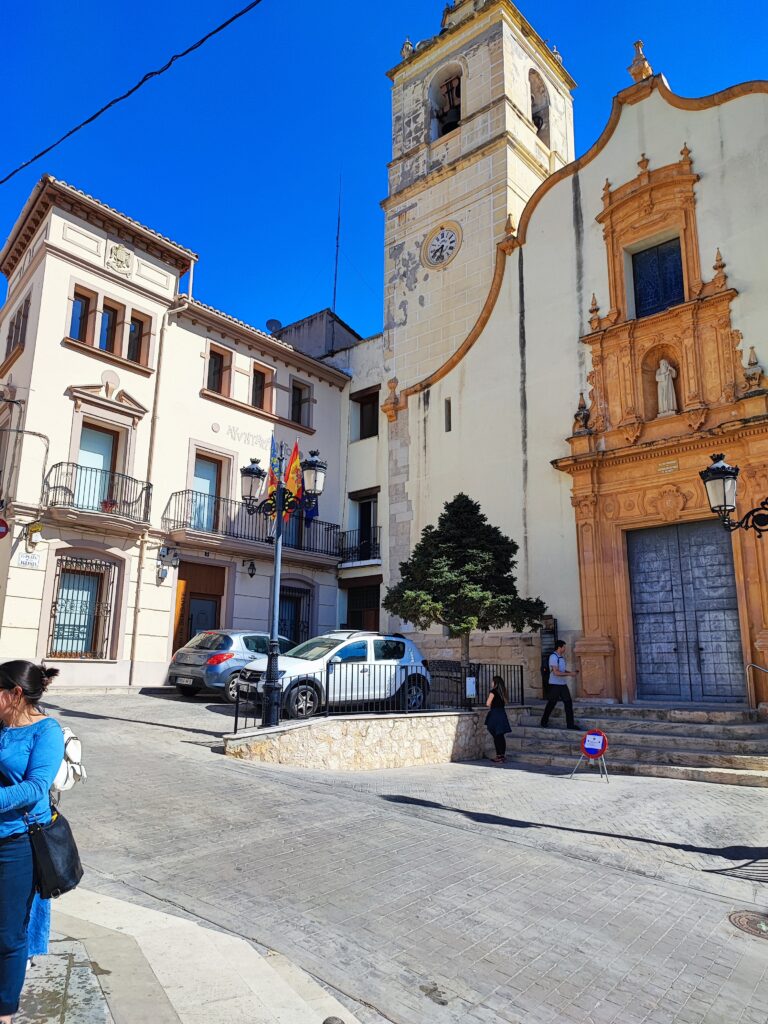
Plaza del ayuntamiento de Bolbaite
Se trata de el lugar central del pueblo y el lugar donde ocurre todo. Una zona de paso obligado para todo el que quiera visitar el pueblo y conocer mejor la cultura local.
Castillo de Bolbaite
Puedes visitar las ruinas del castillo de Bolbaite, situado en lo alto del cerro de Bolbaite. Algo muy interesante es que este castillo se construyó sobre una antigua fortaleza árabe y se empleó durante muchos años como fortaleza y hogar de los señores de la zona.
imagen de www.bolbaite.es
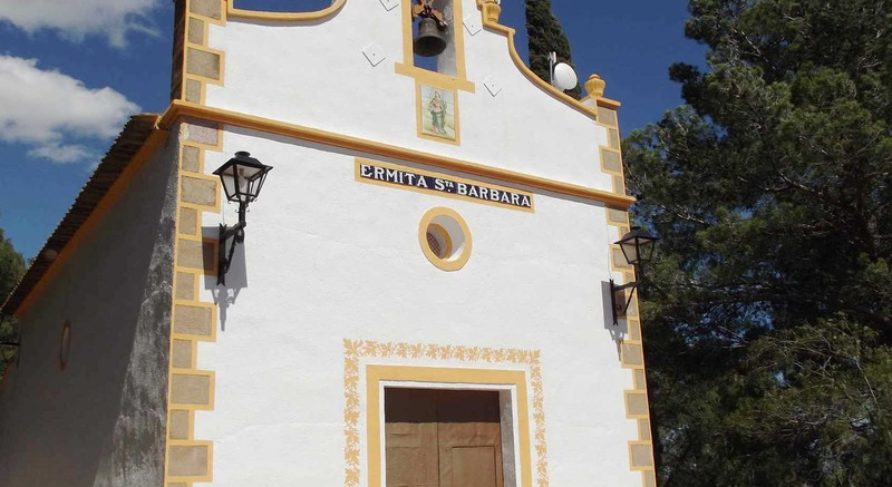
Ermita de Santa Bárbara de Bolbaite
Una ermita construida en el siglo XVII en lo alto del monte Bolantín, a unos 350m de altura. Desde ahí se tienen las mejores vistas de Bolbaite y además en la parte más alta se encuentra un merendero y una zona acondicionada para hacer barbacoas. Sin duda una de las atracciones más interesantes de esta localidad.
imagen de www.lacanalturismo.com
Ubicación de las piscinas naturales de Bolbaite
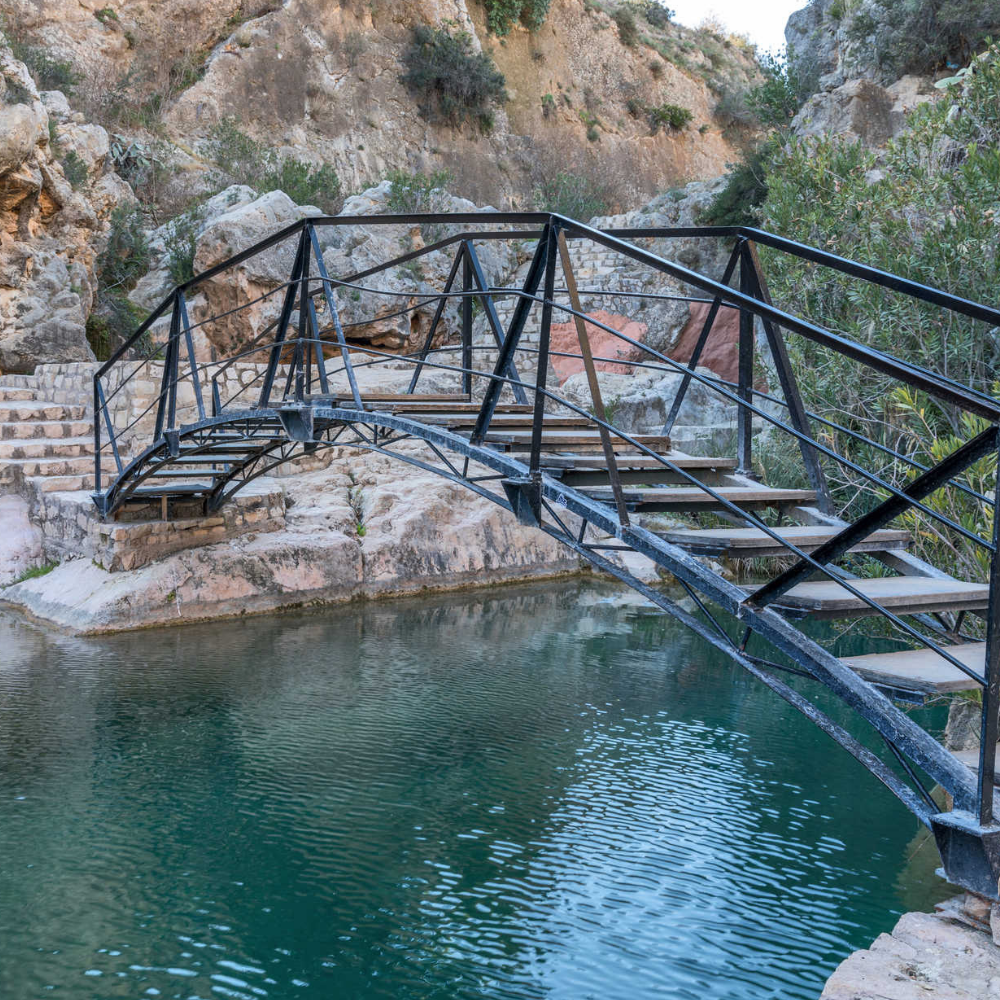
Llegar a ellas es muy sencillo. Simplemente tendrás que caminar por la Calle del Río desde la plaza del ayuntamiento durante un minuto o menos. Están realmente cerca. Es imposible no verlas. Si vas en coche simplemente aparca en el aparcamiento de las piscinas naturales y baja andando. Es realmente sencillo.
Donde comer en Bolbaite
Afortunadamente este lugar cuenta con diferentes sitios donde comer y disfrutar de la gastronomía local. (Imágenes de www.tripadvisor.com)
Restaurante la Ermita
Situado junto a la ermita de Santa Bárbara, uno de los mejores lugares para probar la comida local. Desde aquí recomendamos pedir un buen arroz. ¡No te arrepentirás!
La gasolinera
Un lugar de comida tradicional con un muy buen trato y buena calidad en sus platos.
Bar el Puente
Uno de los sitios más clásicos de Bolbaite. Con muy buena cocina y ubicado justo al lado del río, sus vistas son espectaculares.
La cuina d’Oti i Alex
Un restaurante con cocina mediterránea en el que poder disfrutar de un buen plato de carne, de pasta o de una buena pizza.
Dónde pasar la noche en Bolbaite. Turismo y casas rurales
Bolbaite es un lugar ideal si quieres pasar una temporada en un ambiente natural y tranquilo. Aquí te enseñamos algunas de las mejores opciones para alquilar una casa en Bolbaite.
Los cipreses
Una casa rural espectacular en la que podrás pasar una experiencia increíble. Esta completamente equipada con todo lo que necesitas y mucho más; aire acondicionado, TV, wi-fi, calefacción…
Dispone de 3 habitaciones dobles, 2 baños, terraza y patio. Si quieres saber más haz click aquí
(Imágenes de https://www.escapadarural.com/casa-rural/valencia/los-cipreses)
Rutas en el río de Bolbaite
Existen muchas rutas que siguen al río Sellent y pasan por todo su recorrido. Nosotros desde aquí os recomendamos la ruta que va desde el río de Bolbaite hasta el Salto de Chella. Sin duda esta es una de las más bonitas de hacer y también de las más sencillas. Puedes acceder a toda la información aquí.
Durante los meses de verano sí. La entrada es de 3€ para adultos. Los niños de menos de 5 años no pagan. Puede pagarse online aquí o directamente en la entrada.
Useful information if you want to visit the lighthouse of Cabo de las Huertas.
Did you know that this place is a very special place, full of nature, with the ruins of a Spanish war bunker and less than 20 minutes from downtown? I tell you all about it in this article!
The Cabo de las Huertas Lighthouse is located in Alicante, in the charming Valencian Community, Spain.
It is located in Cabo de las Huertas, north of Alicante and south of San Juan. Between the beaches of San Juan and Albufereta.
This coastal gem is nestled in an area renowned for its beautiful coves and cliffs, offering a picturesque retreat that combines the serenity of the Mediterranean Sea with the wild and unspoiled nature.
Access
Getting to the lighthouse is very easy and offers various options: you can go by car, bicycle, or even on foot if you’re feeling adventurous.
There is parking available nearby, and from the center of Alicante, it’s only about a 20-minute drive.
You can also take the L4 tram line and walk from the nearest stop, Avenida de las Naciones.
You can also go by bus with lines 22 and 28.
Hours and Restrictions
It is not possible to enter the lighthouse or its enclosure, the passage is prohibited for security reasons. But you can be in the surroundings and enjoy nature.
Views and Landscapes
From the lighthouse, you can enjoy breathtaking panoramic views of the Mediterranean Sea and the Alicante coastline.
This place is ideal for photography enthusiasts and those who simply want to relax while listening to the soothing sound of the waves as the sun sets on the horizon.
Water Activities
The coves around the cape are perfect for swimming, snorkeling, and diving.
The crystal-clear waters and rocky formations create a wonderful environment for exploring marine life.
Conservation and Environmental Respect
It is essential to be respectful of the natural environment. Make sure not to leave any trash behind and respect the local flora and fauna. Always follow the instructions to preserve the beauty and health of the place so that future generations can also enjoy it.
Photography and Drones
The lighthouse and its surroundings are extremely photogenic.
If you plan to use drones, make sure to check local regulations regarding their use to avoid any violations.
This way, you can capture spectacular images while respecting the laws and tranquility of the area.
All you need to know about this festival in Alicante
Learn everything you need to know about this festival. What it consists of, what to do, where to try the typical gastronomy, tips, advice and much more!
👉 Note: In Valencian / Catalan the bonfires are called “fogueres“. It is a word that you will see written on the street many times. The word “foc” means fire.
Hogueras de San Juan 2025: All You Need to Know
The bonfires of San Juan are the biggest festival in Alicante. They are prepared throughout the year and are celebrated for a couple of weeks.
Whether you are a first-time visitor or a returning enthusiast, this guide will walk you through everything you need to know about the Hogueras de San Juan 2025 Festival.
Bonfires of San Juan. Official video.
What Are the Bonfires of San Juan?
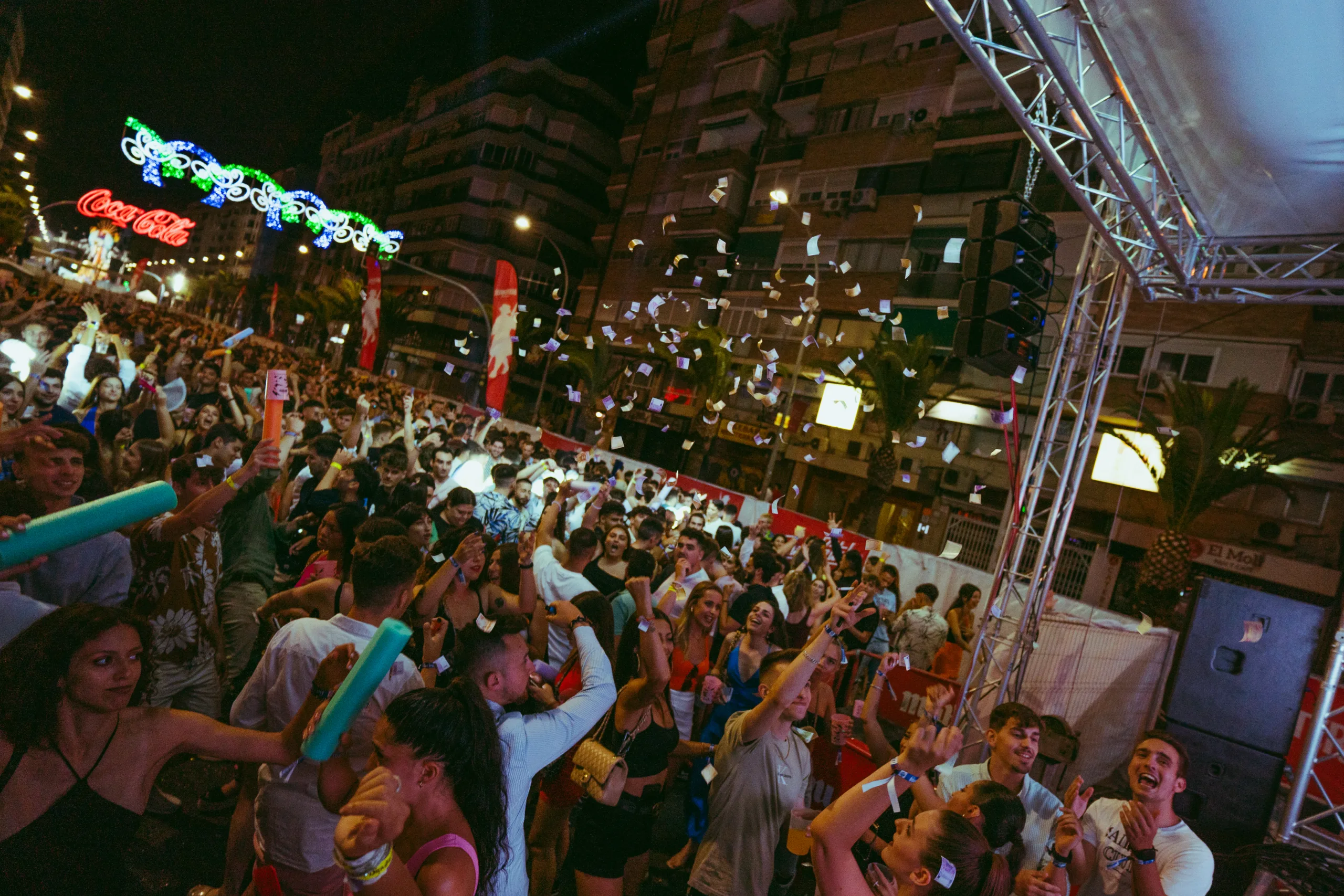
The Bonfires of San Juan, or “Hogueras de San Juan,” (San Juan Festival Alicante 2025) is an annual festival held in Alicante to celebrate the arrival of summer.
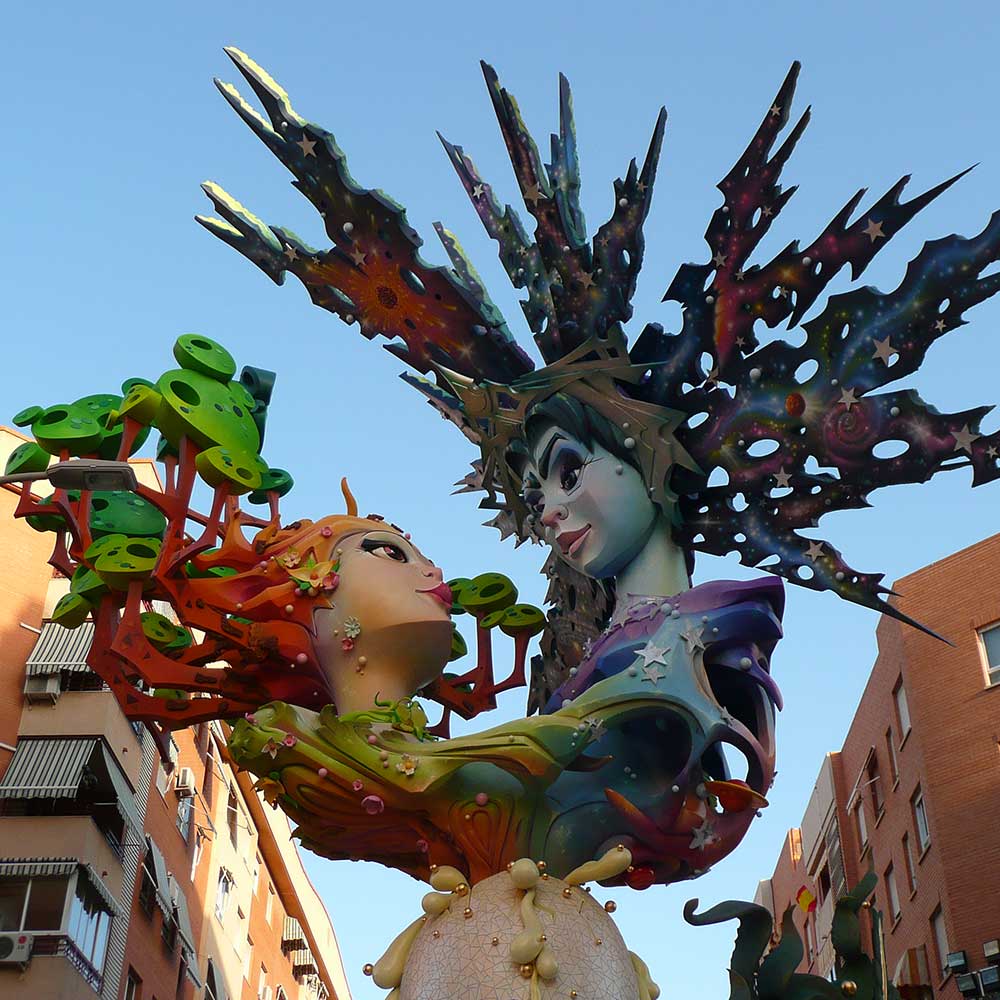
The festivities revolve around the creation and burning of large, intricate sculptures made of wood and papier-mâché, known as “hogueras” or bonfires. These stunning works of art often depict satirical scenes, celebrities, political figures, and local themes, showcasing the creativity and craftsmanship of local artists.
The festival culminates in the burning of these hogueras on the night of June 24, in a spectacular event known as “La Cremà.“
Alicante Fireworks 2025 Schedule for Bonfires Alicante.
April:
Social gatherings of the candidates for Bellea del Foc (4th, 5th, 6th).
Social gatherings of the children’s candidates (21st and 22nd).
Gala of the children’s candidates on Friday, 25th at the Bullring.
Gala of the adult candidates on Saturday, 26th at the Bullring.
May:
May 2nd: Election of the Bellea del Foc Infantil (Children’s Bellea del Foc).
May 3rd: Election of the Bellea del Foc.
Andrés Llorens Band Festival on Friday, 9th.
Nighttime Mascletà on Saturday, 10th.
Theatre competition on Sunday, 11th.
Proclamation of the children’s Belleas on Friday, 16th.
Proclamation of the adult Belleas on Saturday, 17th.
Proclamation party on Saturday, 17th.
Fogueres Fest on Saturday, 24th.
Mascletà in sector 5 on Sunday, 25th. 🧨
Opening of the Ninot exhibition at the Lonja del Pescado on Friday, 23rd.
Award ceremony for the Foguerers on Saturday, 31st.
June:
Rice contest in Lo Morant Park on Sunday, 1st.
Música per una Festa event, homage to the deceased Foguerer and Barraquer, parade of the proclamation, the proclamation, and the subsequent party on Friday, 6th.
Ninot parade on Saturday, 7th.
Mascletà on Sunday, 8th. 🧨
Entrance of the bands on Saturday, 14th.
Mascletà at the Gran Vía roundabout on Sunday, 15th 🧨
Closing of the Ninot exhibition and award ceremony on Sunday, 15th.
Arrival of the fire at El Corte Inglés on Monday, 16th.
Offering of flowers on Saturday, 21st and Sunday, 22nd.
Award ceremony on Sunday, 22nd.
International folkloric parade on Monday, 23rd.
Cremà and the Palm Tree on Tuesday, 24th 🔥🚒
Multicolor parade on Sunday, 29th.
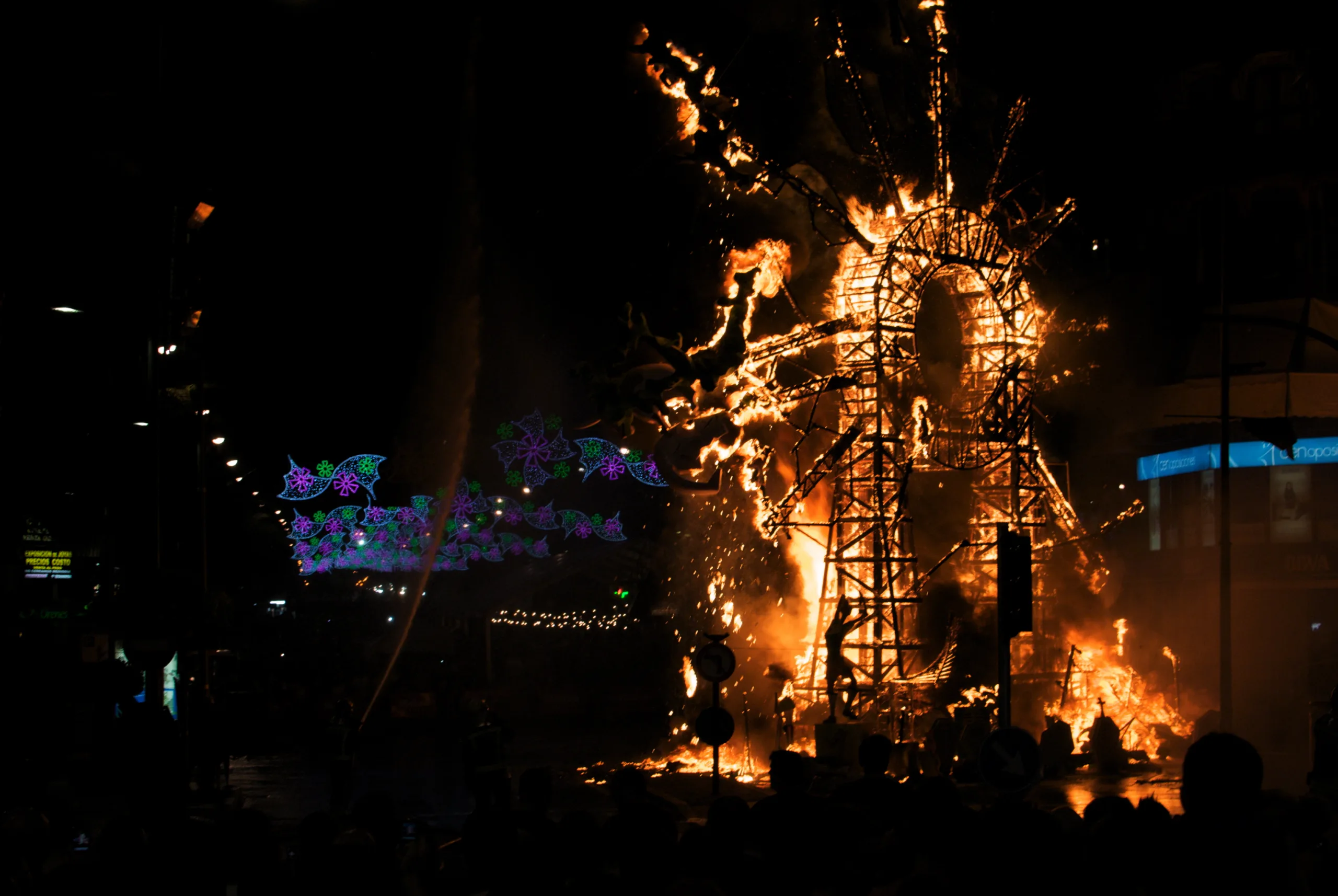
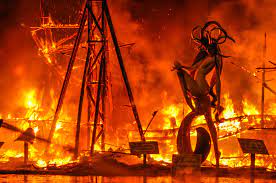
The Cremá
The Cremà day is the ultimate highlight of the Hogueras de San Juan. Is the same day of san juan, june 24th, the last day of this alicante fire festival.
This day is the day that all bonfires are burned. The first one is always the one at the town hall and then they are burned in order. From the lowest parts of the city to the highest.
It starts at 12:00in the night and just at that moment a huge firework called “la palmera” is thrown from the castle. That is the signal that the first bonfire is burning.
Something very special about this day is that firefighters not only use water to extinguish the flames, but they also cool people down. So if you go to see it make sure you are in your bathing suit.
👉Note: if you are going to see the cremá and you want the firemen to get you wet, it is highly recommended that you carry a backpack and keep your phone inside the backpack in a plastic bag.
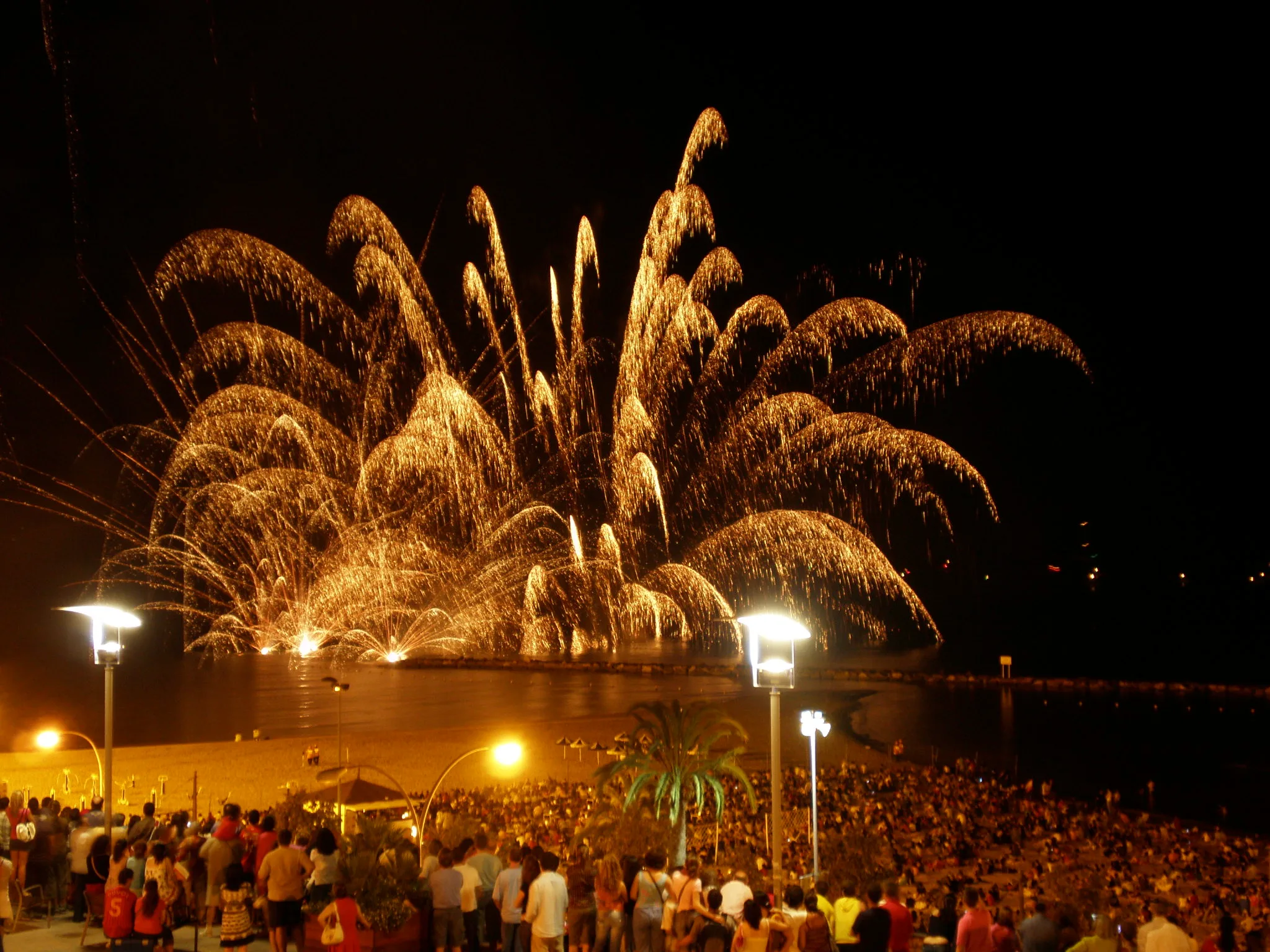
Fireworks on the Alicante beach after bonfires 2025
After the bonfires and until there are fireworks shows on the Postiguet beach. They start at 00:00h.
If you go to the beach be sure to go with time because it is usually crowded and it is difficult to find a good spot.
Typical Gastronomy of the Bonfires of San Juan and where to find it
Paella: You can find it in many places BUT NOT IN LA EXPLANADA, THAT IS NOT REAL PAELLA. You can go to these restaurants: Rice&Bones, Garden Grill, Casa Riquelme, Larruz
Coca amb Tonyina: A traditional Alicante pastry filled with tuna, onion, and pine nuts. It’s a savory treat that’s perfect for a quick snack. You can buy it at Masa de Toamasa
Churros and Chocolate: For a sweet treat, you can’t go wrong with churros dipped in thick, rich hot chocolate. My favourite places are Valor, one of the most famous chocolate shops in Spain, churrería La Madrileña and churrería Calderón
Horchata: A refreshing drink made from tiger nuts, horchata is sweet and slightly nutty, perfect for cooling down on a hot day. Here I am going to leave you the best places to drink Horchata and also ice creams. Alicante has a great tradition with these two products. Antiu Xixona, Helados Cañaveras and La Ibense
👉Note: The best horchata in Alicante is served in the Horchatería Azul, which is the oldest in Alicante. It is served with boyos called “fartons”.
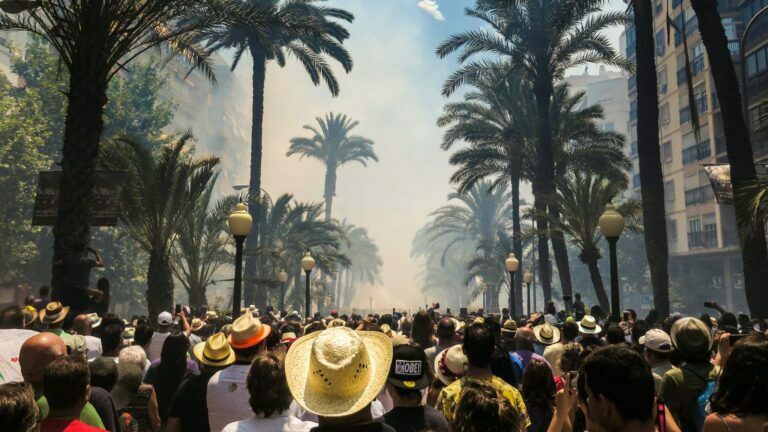
What Is a Mascletá?
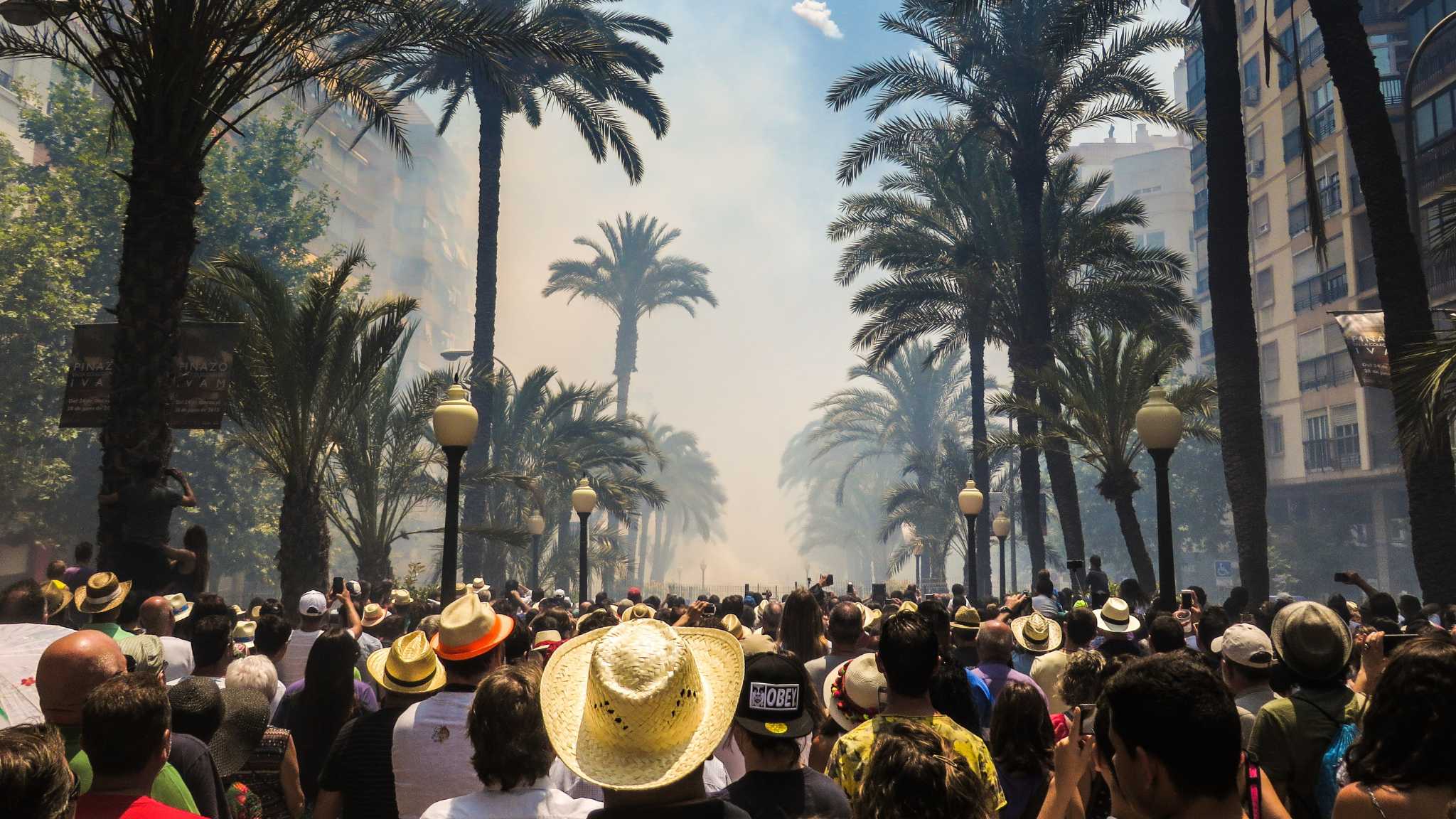
A “mascletá” is a unique and essential part of the Hogueras de San Juan. During this San Juan Festival in Spain it is a daytime fireworks display that focuses more on the sound than the visual effects.
Held daily at 2 PM in the Plaza de los Luceros, the mascletá is a thunderous and rhythmic explosion of firecrackers that creates a symphony of noise and vibrations.
It’s a thrilling experience that showcases the pyrotechnic expertise of the local teams of this Alicante festival.
👉Note: The sound of the mascletá is very loud, so loud that you feel it in your whole body. It is something very exciting but perhaps not for everyone. Do not bring your dog with you, they have a hard time.
When Are the Bonfires Placed in the Street?
The bonfires are placed in the streets on June an event known as “La Plantà.”
This marks the beginning of the festival, and the streets of Alicante are transformed into open-air art galleries. Each neighborhood has its own hoguera, and the competition to create the most impressive and elaborate bonfire is fierce.
Artists and sculptors work tirelessly for months to prepare these creations, which are often satirical and reflect current events or social issues.
What Is a Barrack?
A “barrack” or “barraca” is a temporary structure set up by various neighborhoods during the Hogueras de San Juan Alicante 2025.
These barracks serve as social hubs where locals and visitors gather to eat, drink, and dance. Each barrack is decorated in a unique style, often reflecting the theme of the neighborhood’s hoguera.
They offer a variety of traditional foods and drinks, and provide a space for the community to come together and celebrate.
What’s a Ninot?
A “ninot” is a small, individual figure that is part of a larger hoguera. These figures are intricately crafted and often depict famous personalities, politicians, or satirical scenes.
Before the bonfires are burned, an exhibition is held where visitors can view and vote for their favorite ninot. The most popular ninot, known as the “Ninot Indultat,” is spared from the flames and preserved in the Museo de Hogueras.
This tradition adds an element of suspense and excitement, as artists and neighborhoods vie for the honor of having their ninot saved from destruction.
Contests and Awards
The Hogueras de San Juan is not just a celebration; it’s also a competition. Various contests and awards are held to recognize the best hogueras, ninots, and parades.
The most prestigious award is for the best hoguera, judged on creativity, craftsmanship, and overall impact. There are different categories based on the size and budget of the hogueras, ensuring that both large and small creations have a chance to be recognized.
Other awards are given for the best ninot, the best barrack, and the best musical performance in the parades.
Traditional Dress
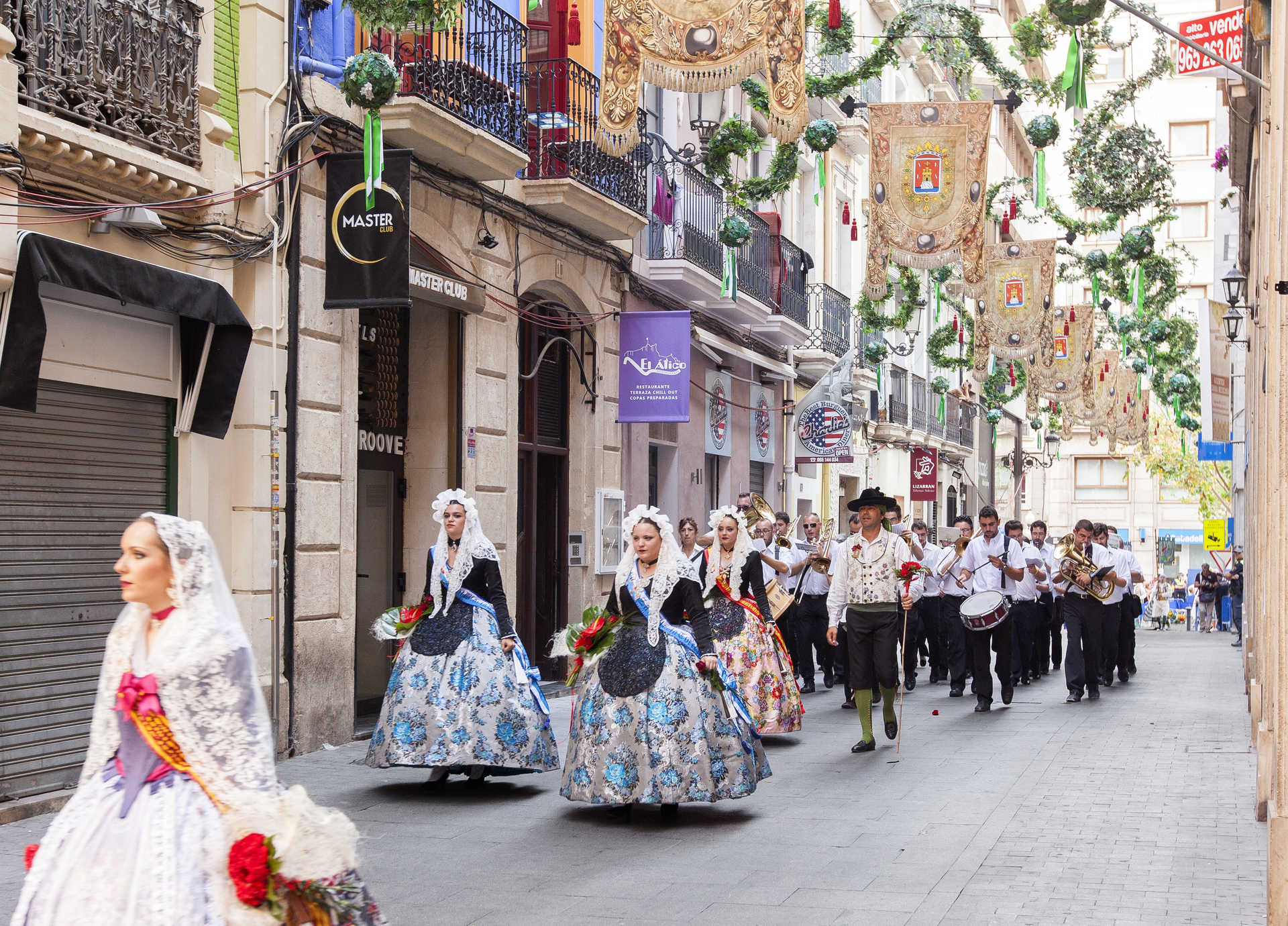
The men’s attire typically includes a white shirt, black trousers, and a colorful sash, while the women’s dress is more elaborate, featuring a long skirt, apron, blouse, and a lace mantilla.
These costumes are often adorned with intricate embroidery and complement the traditional hairstyles and jewelry. These costumes are called “alicantino” and “alicantina” costumes.
Origin and Meaning
The origins of the Hogueras de San Juan can be traced back to ancient pagan rituals celebrating the summer solstice.
These celebrations were later incorporated into Christian traditions, specifically honoring Saint John the Baptist, whose feast day falls on June 24. Over time, the festival evolved into the elaborate spectacle it is today, blending religious reverence with cultural expression.
The burning of the bonfires symbolizes the purification of the soul and the casting away of negativity and impurities. It’s a time of renewal and new beginnings, as the flames light up the night sky, illuminating the darkness and heralding the arrival of summer.
Originally an agricultural festival where dry harvest waste was burned, the first documented reference dates back to 1822, when lighting bonfires was prohibited. Despite the bans, the tradition persisted, becoming “festes de carrer” in 1881.
In 1928, the Alicante Atracción association, with José María Py, proposed making the bonfires official to attract tourism, similar to the Fallas of Valencia. That year, the first official bonfires were a success, attracting over one hundred thousand people. Although there were criticisms from Valencia, the celebration grew, including elements such as the Barraca and the election of the Bellesa del Foc from 1932.
Today, with nearly ninety Commissions of Foguera and over ten thousand participants, Les Fogueres de Sant Joan are the Official Festivals of Alicante, declared of National and International Tourist Interest, and in 2014, they were recognized as an Intangible Cultural Heritage by the Valencian Government.
Are the bonfires the same as the Fallas? Yes and no.
The celebration is similar and based on the same concept. Sculptures are made, there are mascletàs, barracas, etc.
But in Alicante, they happen in the summer, while in Valencia, they occur when spring arrives. This changes everything because it allows for firefighters to spray people with water during the Cremà day in Alicante.
This is the craziest day in Alicante all year, and just for that reason alone, it’s worth experiencing.
FAQs about Hogueras de San Juan or Hogueras Alicante 2025
FAQ Accordion
The Bonfires of San Juan are an annual festival in Alicante celebrating the arrival of summer, involving the creation and burning of large wooden and papier-mâché sculptures . Other people call them vuurwerk alicante
The festival runs from June 19 to June 24, with the bonfires being burned on the night of June 24.
A mascletá is a daytime fireworks display focused on creating a rhythmic series of loud explosions, held daily at 2 PM during the festival.
A barrack is a temporary structure set up by neighborhoods during the festival, serving as a social hub for eating, drinking, and dancing.
A ninot is a small figure that is part of a larger bonfire sculpture, often depicting satirical scenes or famous personalities. The best ninot is saved from burning and preserved in a museum.
Main events include the Plantà (placing the bonfires), daily mascletàs, parades, the judging of bonfires, and La Cremà (burning of the bonfires) on June 24.
Wear comfortable clothing and shoes, as you will be walking a lot. Consider bringing ear protection for the loud fireworks and mascletàs.
Yes, the festival is family-friendly, but parents should be mindful of the loud fireworks and large crowds, which might be overwhelming for young children.
The Cremà is the night when the bonfires are burned, taking place on June 24. It’s the culmination of the festival and is marked by spectacular flames and fireworks.
Yes and no. The celebration is similar with sculptures, mascletàs, and barracas. However, the Bonfires in Alicante are in summer, which allows for the unique tradition of firefighters spraying people with water on Cremà day.
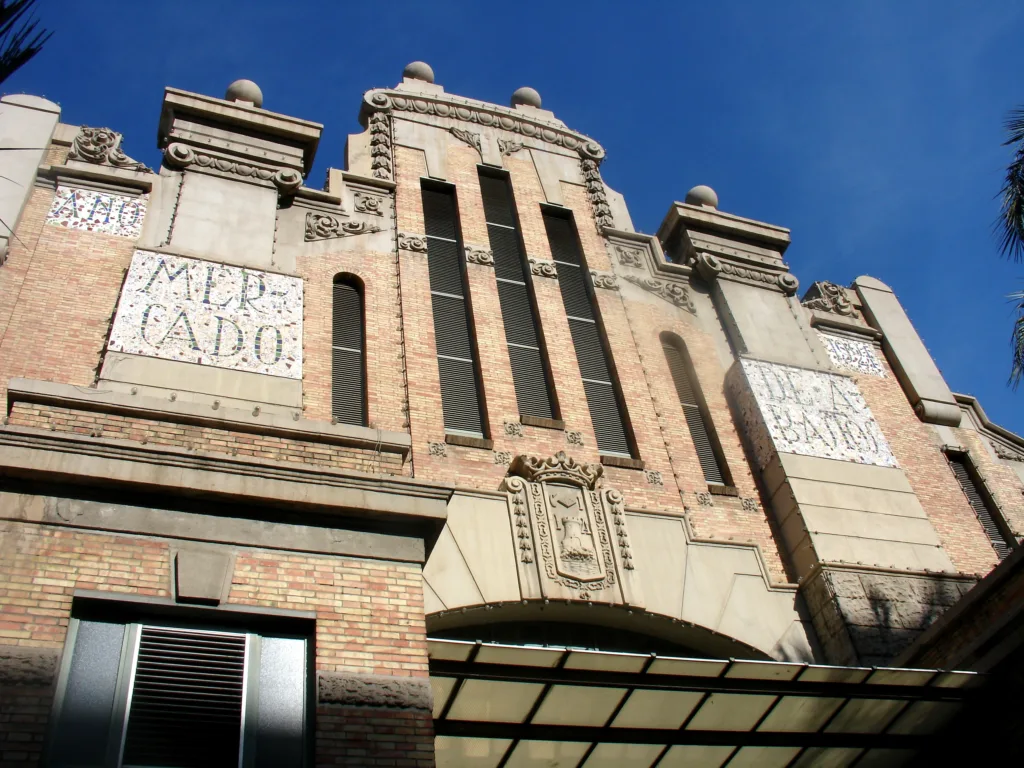
The Central Market of Alicante is one of the epicenters of commercial and social life in the city. Located in a historic building, this market offers a wide variety of fresh and local products, making it a reference point for both residents and tourists looking to experience authentic Alicante cuisine.
Opening Hours
Here you have the opening hours of the Central Market of Alicante. . The Alicante central Market is open from Monday to Saturday.
The general hours are from 7:30 AM to 2:30 PM, although some stalls may have specific hours. The market is closed on Sundays and holidays, allowing the merchants to rest and prepare for the coming week.
You can consult this list with the opening and closing hours of the central market.
Day
Opening Time
Closing Time
Monday
07:30 AM
02:30 PM
Tuesday
07:30 AM
02:30 PM
Wednesday
07:30 AM
02:30 PM
Thursday
07:30 AM
02:30 PM
Friday
07:30 AM
02:30 PM
Saturday
07:30 AM
02:30 PM
Sunday
Closed
Closed
Where It Is
The market is situated in the heart of the city, on Avenida Alfonso X el Sabio, a central location that makes it easily accessible from anywhere in Alicante. The exact address is Avenida Alfonso X el Sabio, 10, 03004 Alicante.
How to Get There
Getting to the Central Market is easy thanks to its strategic location. You can use various means of transport:
On foot: If you are in downtown Alicante, you can likely reach the market in a few minutes on foot.
Public transport: Bus lines 02, 03, 04, 05, and 09 have stops near the market. Additionally, the closest tram station is Mercado, making it accessible from other parts of the city.
Car: If you prefer to drive, there are several parking options nearby, including the underground parking at Plaza de España.
Value for Money
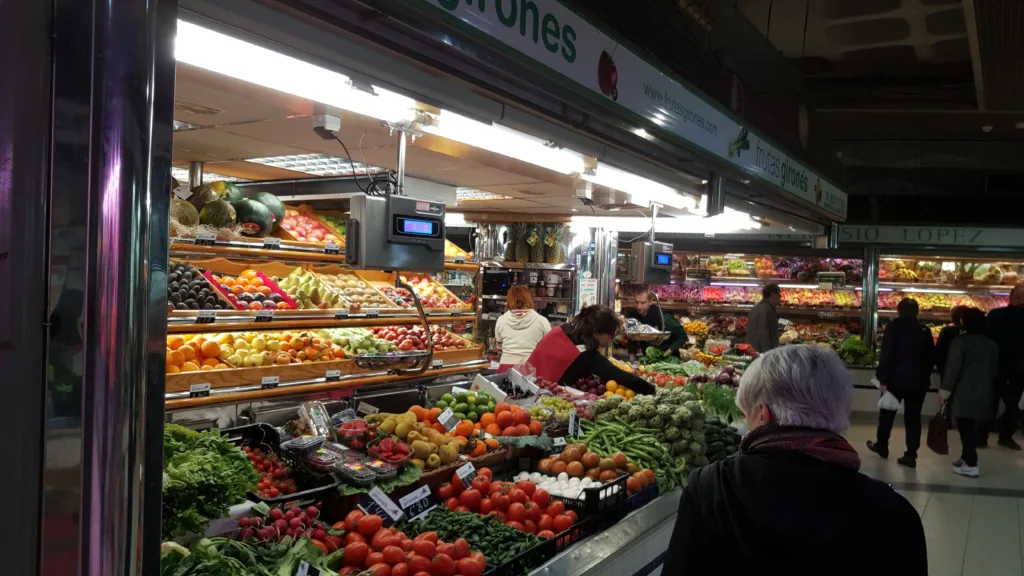
The value for money at the Central Market is one of its biggest attractions. The products sold here are fresh and of high quality, often directly from local producers. Additionally, the prices are usually competitive, which is why many people from Alicante prefer to shop at this market instead of supermarkets.
Gastronomy and Fresh Products
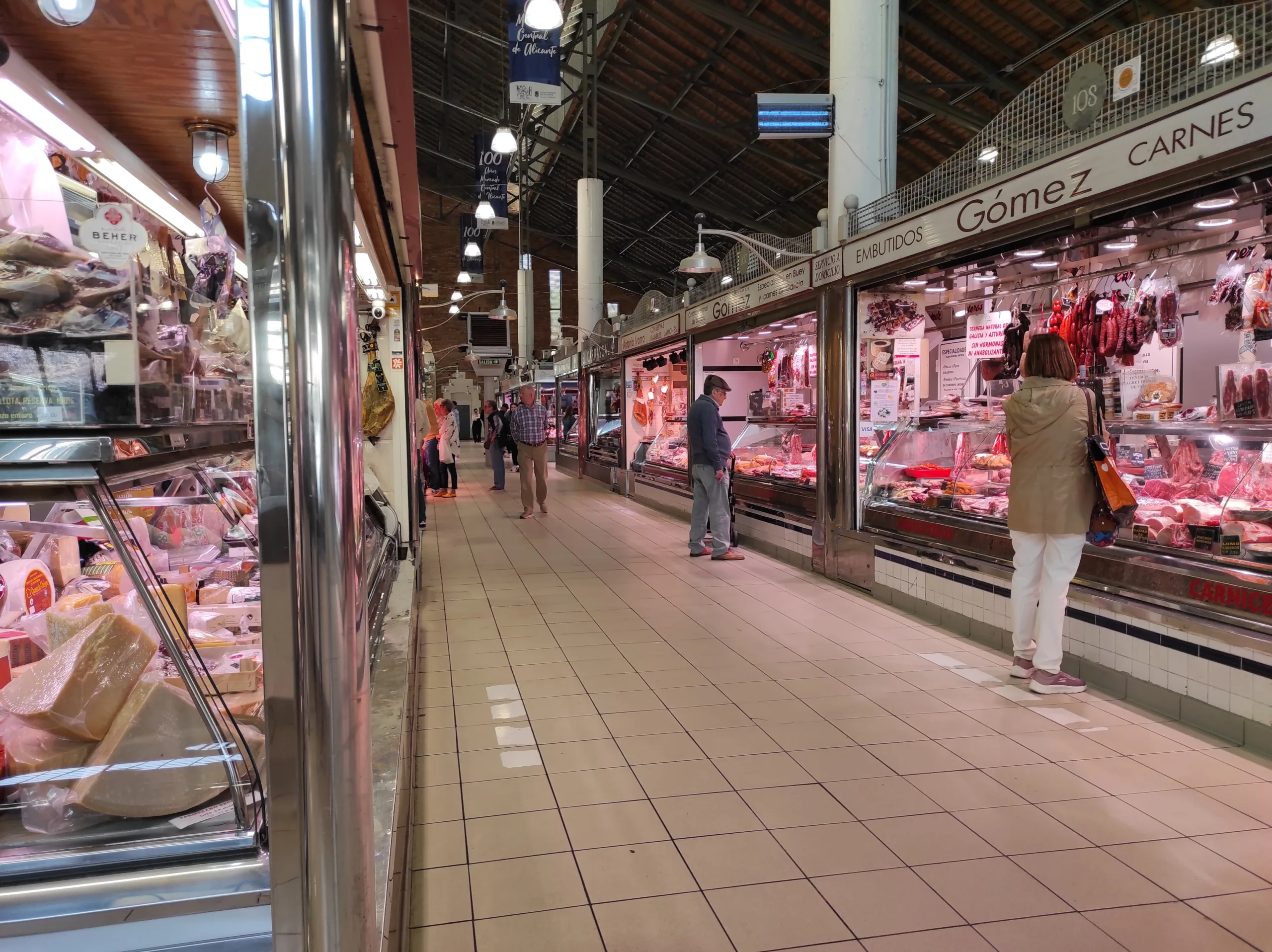
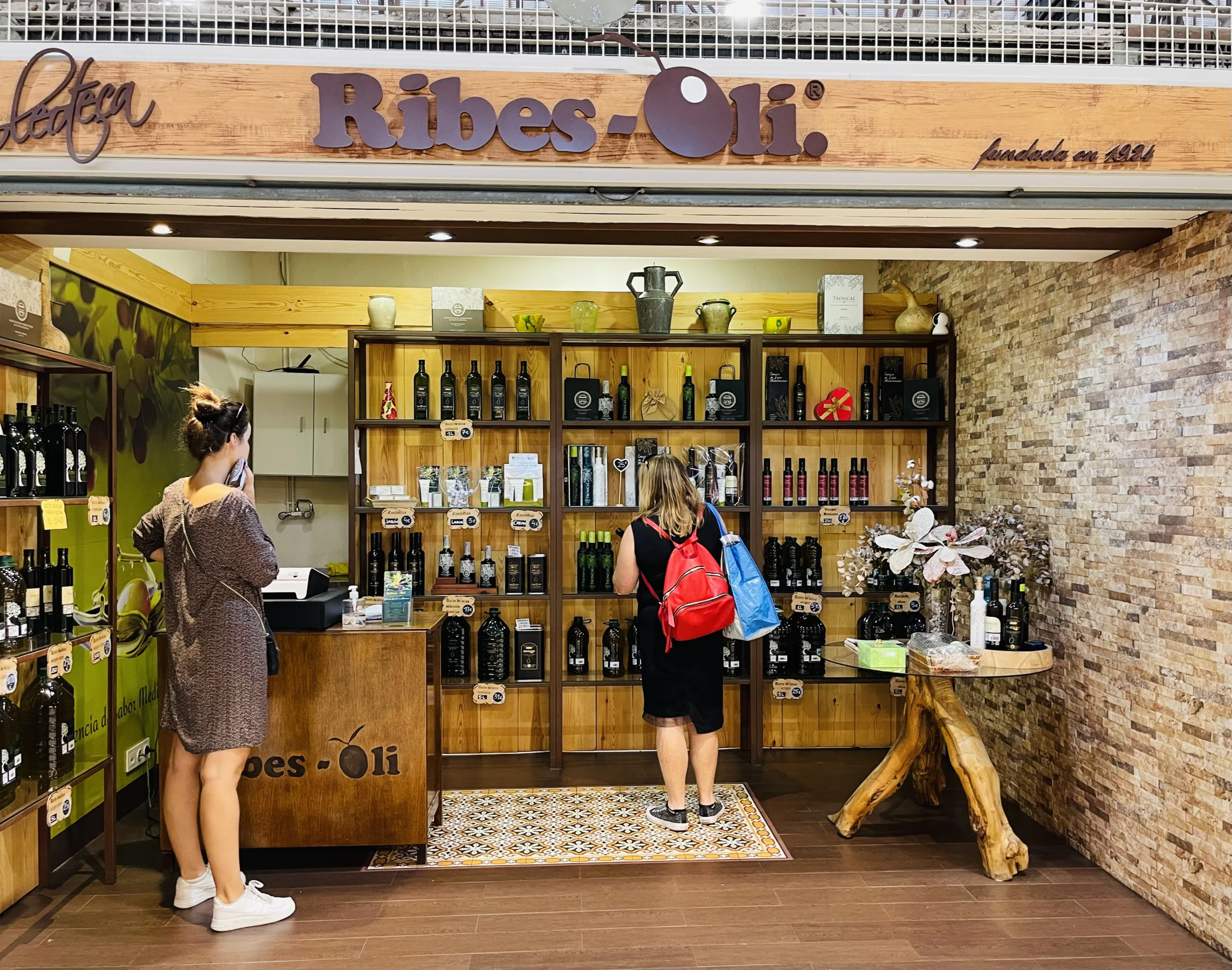
The gastronomic offer of the Central Market is extensive and varied. From fresh fruits and vegetables to meats, fish, and seafood, as well as gourmet products like cheeses, cold cuts, and wines. Fresh products arrive daily from the Alicante garden and nearby ports, guaranteeing maximum freshness and flavor.
Typical Dishes and Bars
Inside and around the market, you will find several bars and stalls offering typical regional dishes. You can taste tapas, montaditos, and dishes like paella and arroz a banda, prepared with fresh ingredients from the same market. This culinary experience is one of the reasons why many tourists and locals frequent the market not only to shop but also to eat.
Architecture
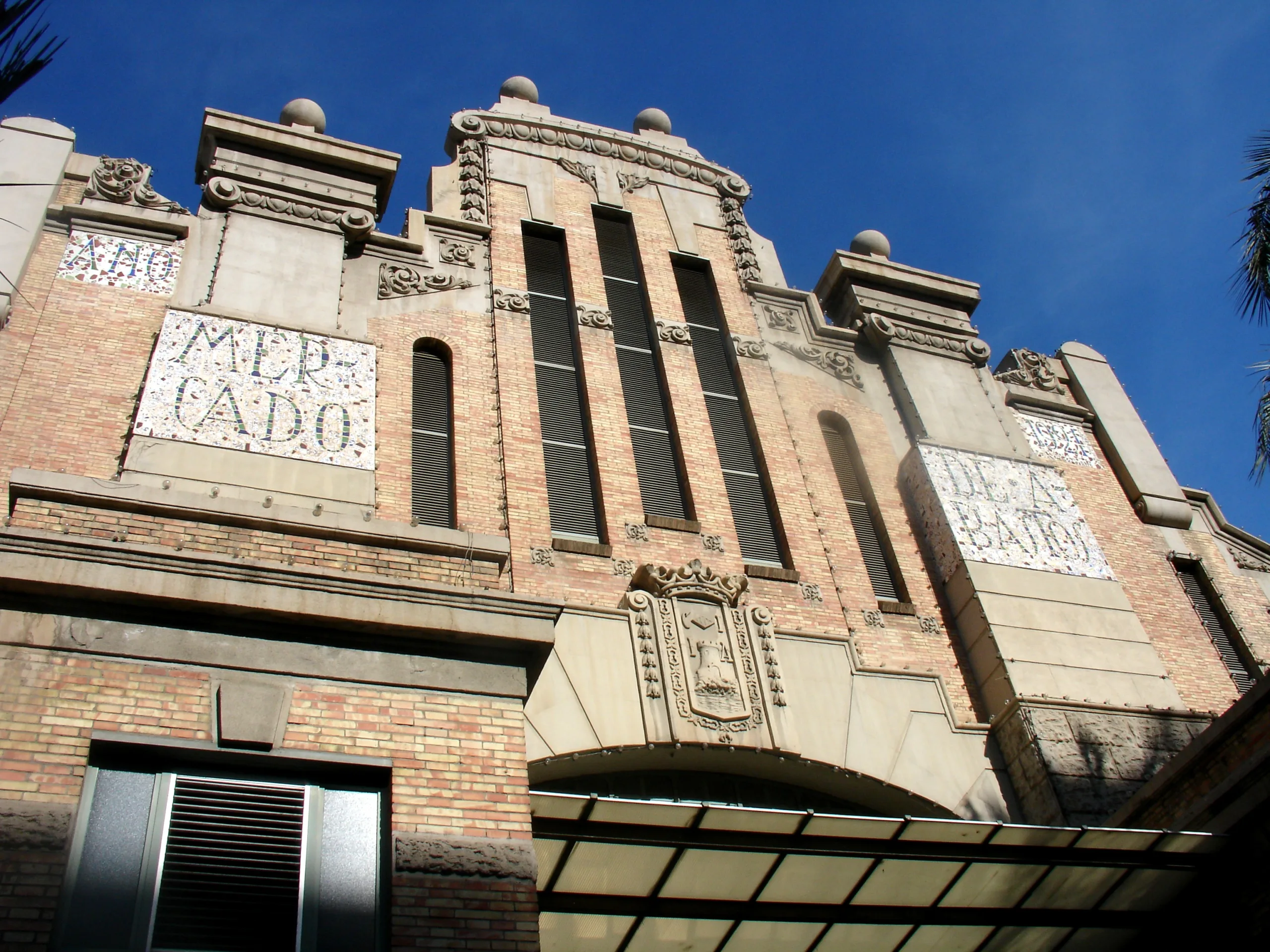
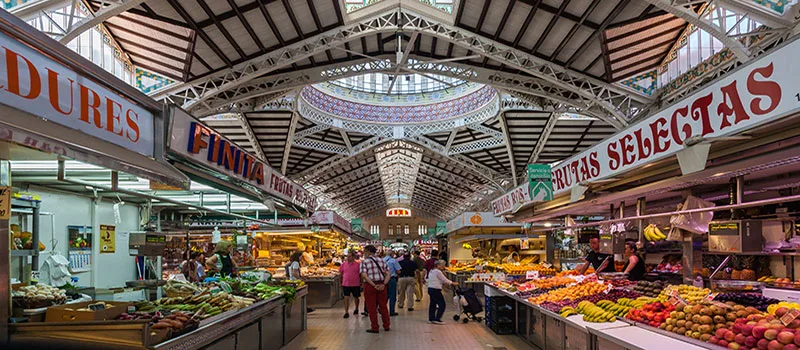
The market building is an outstanding example of Valencian modernist architecture. The structure combines elements of iron, glass, and brick, creating a spacious and bright area. The characteristic domes and ornamental details reflect the elegance and care with which it was designed, making it not only a shopping place but also a tourist attraction.
Market History
The Central Market of Alicante was inaugurated in 1921, designed by architect Enrique Sánchez Sedeño. Since then, it has been a crucial point in the life of the city, adapting to the changes and needs of the population while always maintaining its essence as a traditional market. It has survived wars and crises, always reinventing itself to remain relevant and attractive.
Curiosities and Traditions
One of the curiosities of the market is that during the Spanish Civil War, the building was bombed, leaving a deep mark on Alicante’s historical memory. Additionally, there is a tradition among Alicante residents to visit the market on Saturday mornings, not only to shop but also to socialize and enjoy a snack.
Most Relevant Reviews of the Central Market by Google Maps
User
Review
Juan P.
“A fantastic place to buy fresh products and enjoy authentic Alicante cuisine. I always find what I need and more.”
María L.
“The atmosphere is unique, and the quality of the products is excellent. The prices are very competitive compared to other markets.”
Carlos R.
“A bit crowded on weekends, but worth it for the variety and quality of the products. Highly recommended.”
Ana G.
“The architecture of the building is impressive, and the stalls offer a great selection of local products. A must-see in Alicante.”
Luis F.
“Sometimes it’s hard to find parking nearby, but the market itself is wonderful. Very good service and fresh products.”
Faq’s about the Alicante central market
What are the market hours?
Day
Opening Time
Closing Time
Monday
07:30 AM
02:30 PM
Tuesday
07:30 AM
02:30 PM
Wednesday
07:30 AM
02:30 PM
Thursday
07:30 AM
02:30 PM
Friday
07:30 AM
02:30 PM
Saturday
07:30 AM
02:30 PM
Sunday
Closed
Closed
Where is the central market of alicante located?
The market is situated at Avenida Alfonso X el Sabio, 10, 03004 Alicante, in the heart of the city. This central location makes it easily accessible from various parts of Alicante.
How can I get to the marketof alicante?
You can reach the Central Market of Alicante by different means:
On foot: It’s within walking distance if you are in downtown Alicante.
Public transport: Bus lines 02, 03, 04, 05, and 09 have stops near the market. The closest tram station is Mercado.
Car: There are several parking options nearby, including underground parking at Plaza de España.
What kind of products can I find at the Alicante central Market?
The market offers a wide range of fresh products such as fruits, vegetables, meats, fish, seafood, cheeses, cold cuts, and wines. These products are often sourced directly from local producers, ensuring high quality and freshness.
Is the market accessible for people with disabilities?
Yes, the market is equipped with ramps and elevators to facilitate access for people with disabilities, ensuring that everyone can enjoy the market experience.
Can I pay with a card at the market?
While most stalls prefer cash payments, some do accept card payments. It’s advisable to carry some cash to avoid any inconvenience.
Day
Opening Time
Closing Time
Monday
07:30 AM
02:30 PM
Tuesday
07:30 AM
02:30 PM
Wednesday
07:30 AM
02:30 PM
Thursday
07:30 AM
02:30 PM
Friday
07:30 AM
02:30 PM
Saturday
07:30 AM
02:30 PM
Sunday
Closed
Closed
The market is situated at Avenida Alfonso X el Sabio, 10, 03004 Alicante, in the heart of the city. This central location makes it easily accessible from various parts of Alicante.
You can reach the Central Market of Alicante by different means:
On foot: It’s within walking distance if you are in downtown Alicante.
Public transport: Bus lines 02, 03, 04, 05, and 09 have stops near the market. The closest tram station is Mercado.
Car: There are several parking options nearby, including underground parking at Plaza de España.
The market offers a wide range of fresh products such as fruits, vegetables, meats, fish, seafood, cheeses, cold cuts, and wines. These products are often sourced directly from local producers, ensuring high quality and freshness.
Yes, the market is equipped with ramps and elevators to facilitate access for people with disabilities, ensuring that everyone can enjoy the market experience.
While most stalls prefer cash payments, some do accept card payments. It’s advisable to carry some cash to avoid any inconvenience.